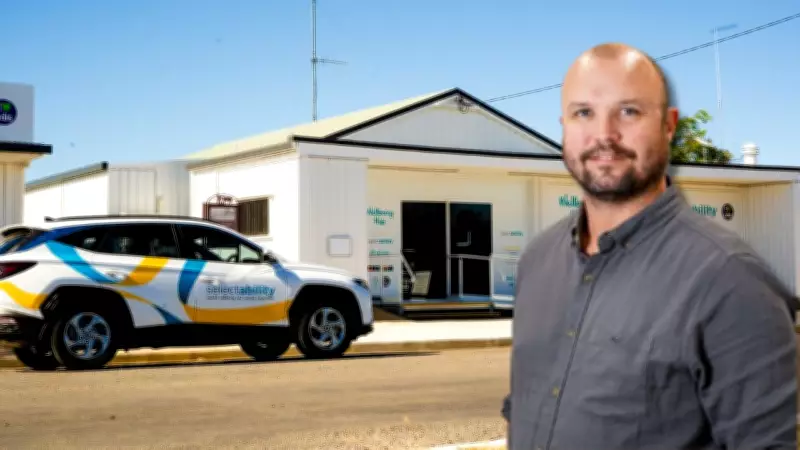
A critical National Disability Insurance Scheme (NDIS) provider in North Queensland is teetering on the edge of collapse, with escalating fuel prices identified as the primary driver of its financial distress. This crisis threatens to disrupt vital support services for hundreds of vulnerable individuals across the region, sparking urgent calls for intervention.
Financial Strain from Fuel Expenses
The provider, based in Townsville, has reported that fuel costs have surged by over 30% in the past year, severely impacting its operational budget. As a not-for-profit organization, it relies heavily on transportation to deliver in-home care, therapy sessions, and community access programs to NDIS participants in remote and rural areas. The increased expenses have stretched resources thin, making it difficult to maintain staffing levels and service quality.
Impact on Vulnerable Residents
If the provider closes, it could leave many NDIS participants without access to essential services, including personal care, mobility assistance, and social support. This situation is particularly acute in North Queensland, where geographic isolation already limits service availability. Families and advocates warn that a shutdown would exacerbate existing inequalities and place undue stress on an already strained healthcare system.

Calls for Government and Community Support
Stakeholders are urging both state and federal governments to consider emergency funding or subsidies to help offset the fuel burden. Additionally, there are appeals for community-based solutions, such as carpooling initiatives or partnerships with local businesses to reduce transportation costs. The provider's management emphasizes that without immediate assistance, they may be forced to reduce services or cease operations entirely within months.
Broader Implications for the NDIS
This case highlights a wider issue within the NDIS framework, where regional providers often face unique challenges like higher operational costs due to distance and infrastructure limitations. Experts suggest that policy reforms may be necessary to ensure the sustainability of disability services in remote areas, potentially including adjusted funding models that account for geographic factors.
As the situation unfolds, the community remains hopeful for a resolution that preserves access to critical support for North Queensland's most vulnerable residents.