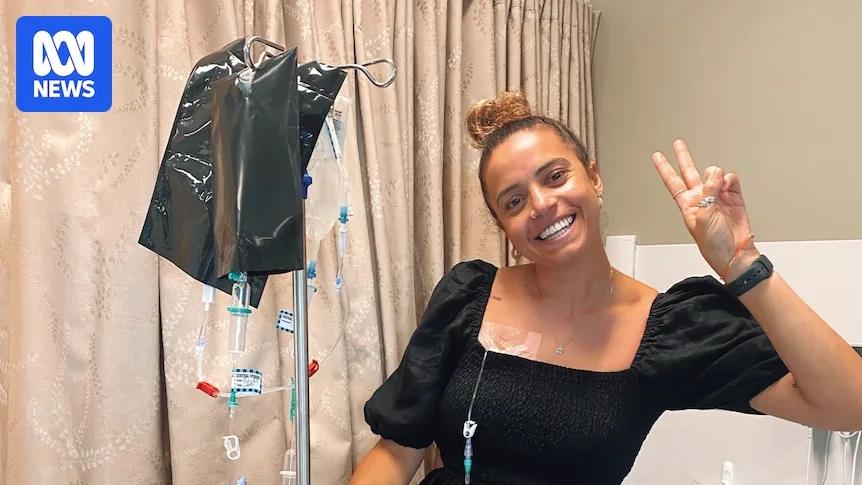
Vanessa Mendico, a 28-year-old from Geelong, was diagnosed with stage four bowel cancer after a lengthy delay in diagnosis. She initially believed bowel cancer was an 'old person's disease,' but her symptoms began in 2022 with bloating and later progressed to passing only blood.
Despite multiple visits to her GP, her symptoms were initially dismissed and she was put on a low FODMAP diet with no follow-up. When she was referred for a publicly-funded colonoscopy, she was told the wait would be two years due to low priority.
After several emergency room visits, her case was reclassified as top priority and she had a colonoscopy within a month. She was told immediately after the procedure that she had a large tumour and cancer.

Bowel cancer is now the deadliest cancer among Australians aged 25 to 44, with rates rising dramatically. Australians born after 1990 have twice the risk of colon cancer and four times the risk of rectal cancer compared to those born in 1950.
Associate Professor Daniel Buchanan from the University of Melbourne says early diagnosis is key, with over 90% survival for early-stage cases. He cites sedentary lifestyles and diets high in processed foods and sugar as possible causes.
Vanessa is calling for free bowel cancer testing for all young people, but the federal Department of Health says current guidelines, which offer free kits to those aged 50-74 and allow 45-49 year olds to request one, are based on expert recommendations and there are no plans to change them.