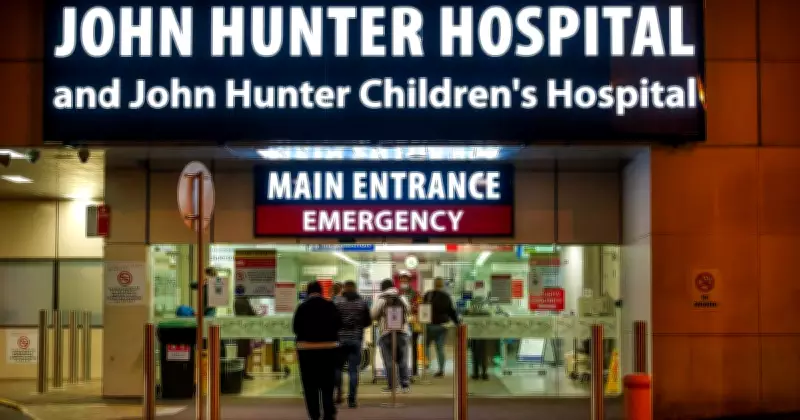
Hunter Hospitals Flag Nine Critical Issues in Statewide Maintenance Review
Hospitals across the Hunter region have identified nine significant issues as part of a comprehensive statewide maintenance review, raising concerns about infrastructure and potential impacts on patient care. The review, which assessed facilities throughout New South Wales, has brought to light various maintenance challenges that could affect hospital operations and safety standards.
Key Findings from the Maintenance Assessment
The statewide review, conducted to evaluate the condition of hospital infrastructure, revealed that Hunter hospitals flagged a total of nine distinct issues. These problems span multiple areas, including building integrity, equipment functionality, and environmental systems. While specific details of the issues were not fully disclosed, they are understood to involve critical aspects of hospital maintenance that require prompt attention to ensure ongoing compliance with health and safety regulations.
Infrastructure concerns highlighted in the review may include aging facilities, outdated electrical or plumbing systems, and structural wear and tear that could compromise patient environments. Such issues are particularly pressing in healthcare settings, where reliable infrastructure is essential for delivering safe and effective medical services. The identification of these problems underscores the need for targeted investments and strategic planning to address maintenance backlogs and prevent future disruptions.

Implications for Patient Care and Safety
The flagged issues have direct implications for patient care and safety within Hunter hospitals. Maintenance deficiencies can lead to operational inefficiencies, increased risks of equipment failure, and potential delays in medical procedures. For instance, problems with heating, ventilation, or air conditioning systems could affect infection control measures, while structural issues might impact the accessibility and functionality of clinical areas.
Healthcare professionals have expressed concerns that unresolved maintenance problems could strain hospital resources and divert attention from core medical activities. Ensuring that infrastructure is well-maintained is crucial for supporting staff in providing high-quality care and maintaining patient trust. The review serves as a wake-up call for health authorities to prioritize maintenance as a key component of healthcare delivery, rather than treating it as a secondary concern.
Response and Next Steps
In response to the review findings, health officials are expected to develop action plans to address the identified issues. This may involve allocating additional funding for repairs, scheduling urgent maintenance work, and implementing long-term strategies to improve infrastructure resilience. Collaboration between hospital management, government agencies, and maintenance teams will be essential to effectively tackle the problems and prevent similar issues from arising in the future.
The statewide maintenance review is part of broader efforts to enhance the sustainability and reliability of public healthcare facilities. By proactively identifying and resolving infrastructure challenges, Hunter hospitals aim to safeguard patient well-being and ensure that their services remain robust in the face of growing demand. Ongoing monitoring and regular assessments will be critical to maintaining high standards and adapting to evolving healthcare needs.