

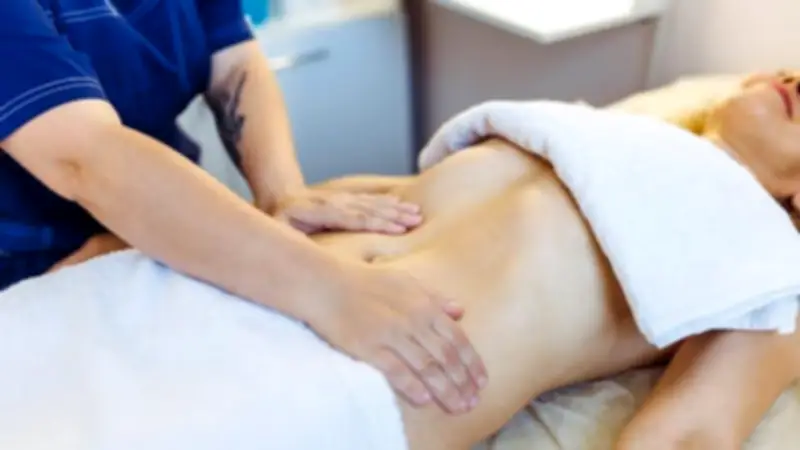
Did you know your body has an inbuilt sewerage system? It’s called the lymphatic system, and it plays a crucial role in fighting infection and disease. Recently, the lymphatic system has been trending online, with social media personalities promoting “lymphatic drainage” for beauty and skin health. But what exactly is lymphatic drainage, and is it backed by science?
What does the lymphatic system do?
The lymphatic system is a network of tiny vessels that branch out to most tissues in the human body, similar to blood vessels. These vessels carry lymph, a colourless fluid containing specialised white blood cells called lymphocytes, which help fight infection. Unlike blood, which circulates in a loop, lymph moves in one direction. It starts as extra fluid in tissues, is picked up by lymphatic capillaries, travels through larger lymph vessels and nodes, and drains back into the bloodstream.
The lymphatic system has three main jobs:

- Draining excess fluid to prevent swelling
- Supporting immunity by helping the immune system detect and respond to bacteria, viruses, parasites, and cancer cells
- Absorbing fats from food and transporting them into the body
When something’s wrong
If the lymphatic system is not working properly, the affected body part can swell, a condition known as lymphoedema, most commonly affecting the arms or legs. There are two main types:
- Primary lymphoedema: Caused by a genetic condition affecting lymphatic vessel development, present from birth or developing later in life.
- Secondary lymphoedema: Caused by damage to the lymphatic system, often from cancer treatment such as lymph node removal or radiation therapy.
Lymphoedema indicates that lymph fluid isn’t draining properly. The body pushes lymph into tiny capillaries near the skin, but when the system is congested, it’s like a traffic jam where backroads become overwhelmed. A special imaging test called indocyanine green lymphography can assess congestion. If you have persistent swelling, your GP will rule out other causes and may refer you to a lymphoedema specialist. People with lymphoedema are also more vulnerable to infections like cellulitis, a bacterial skin infection causing red, swollen skin.
What is ‘lymphatic drainage’?
The main treatment for lymphoedema is compression therapy using medical stockings or bandaging to move excess fluid and soften swollen tissue. Exercise and skincare also help: muscle contractions during exercise pump lymph, while daily skincare with pH-neutral soap and moisturiser prevents cracks and infections. Some patients benefit from manual lymphatic drainage, a specialised massage technique performed by a trained practitioner to move fluid out of congested areas. However, there is little evidence that manual lymphatic drainage alone provides significant or lasting relief for lymphoedema. Similarly, claims that it improves skin health or beauty are not well-supported by research; any benefits are likely small or short-lived.
The bottom line
If your lymphatic system is healthy and you have no swelling, you probably don’t need lymphatic drainage. To keep it working well, maintain a balanced diet, stay hydrated, and exercise regularly. If you notice swelling or have concerns, speak to your GP. For cancer patients, consult an accredited lymphoedema practitioner. If manual lymphatic drainage is recommended, it should be performed by a trained therapist alongside evidence-based treatments like compression, exercise, and skincare.