Modern Diets Investigated for Role in Bowel Cancer Rise Among Young Australians
Queensland researchers are delving into whether contemporary eating habits are driving a significant surge in bowel cancer among young Australians, as this disease now stands as the deadliest cancer for individuals aged 25 to 54 across the nation.
The alarming statistics reveal almost 2000 new diagnoses each year within this age group, highlighting a pressing public health concern.
Sharp Increase in Bowel Cancer Rates Over Two Decades
Rates have skyrocketed by nearly 200 per cent over the past 20 years, according to Stephanie Bansemer-Brown from Bowel Cancer Australia.

Australians born in the 1990s face a threefold higher likelihood of developing bowel cancer compared to those born in the 1950s, prompting medical professionals to examine the underlying causes of this shift.
Focus on Diet and Gut Health in Cancer Research
Scientists are concentrating their efforts on the modern diet, investigating if ultra-processed foods and additives—such as artificial sweeteners, emulsifiers, and added sugars—might be disrupting healthy gut bacteria.
This disruption can lead to inflammation and elevate cancer risk, as explained by gastroenterologist Associate Professor Jakob Begun.
"We believe that the gut microbiome, which consists of the bacteria in our digestive system, plays a crucial role in driving gut diseases," Begun stated.
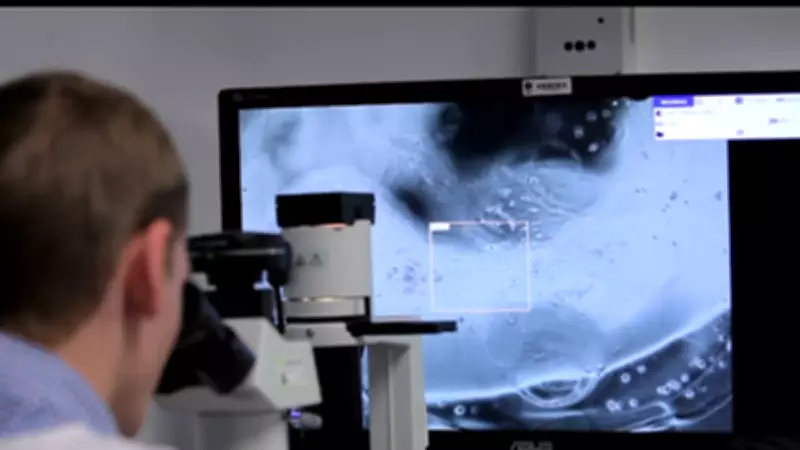
"In laboratory settings, we are cultivating bacteria from both cancerous and healthy gut tissues to compare their functions and identify potential triggers."
Personal Experience Highlights Dietary Impact
Amy Geeves, a 39-year-old Brisbane teacher and mother, experienced no warning signs before a colonoscopy uncovered a 5cm tumour.
She now attributes her diet as a contributing factor to her condition.
"I have become much more conscious of what I consume and put into my body," Geeves remarked, reflecting on her heightened awareness post-diagnosis.
Potential for Early Detection and Prevention
If researchers succeed in pinpointing high-risk bacteria within the gut, they could develop strategies to prevent bowel cancer from forming or halt its progression.
"Early diagnosis offers a 99 per cent chance of a cure," Begun emphasized, underscoring the importance of timely medical intervention and ongoing scientific inquiry into dietary influences on health.