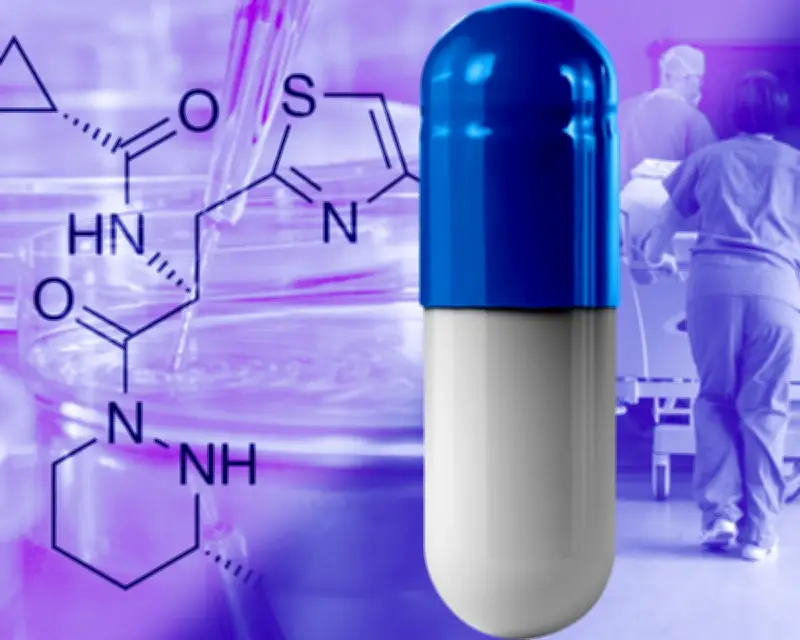
A new drug called daraxonrasib has doubled survival time for pancreatic cancer patients in a recent clinical trial, marking a significant breakthrough in cancer treatment. The findings were presented at the American Society of Clinical Oncology meeting in Chicago, alongside other promising developments.
Breakthrough in Pancreatic Cancer Treatment
Pancreatic cancer is notoriously difficult to treat, with only about one in 20 patients in the UK surviving five years after diagnosis. In the trial, patients receiving daraxonrasib lived an average of 13 months compared to six months with standard care. While this may seem modest, these extra months are precious to patients and their families. The drug targets Ras molecules, which are often mutated in cancer cells and were previously considered undruggable.
Broader Implications for Cancer Therapy
Daraxonrasib may also benefit patients with other cancers where Ras plays a role, such as colorectal cancer and small-cell lung cancer. Trials are underway to explore these applications. The success highlights the importance of genetic screening, which allows doctors to identify patients most likely to benefit from targeted therapies.

Cancer research has made steady progress over the decades. Survival rates in the UK have doubled since the 1970s, and experts describe the current era as a golden age for cancer research. While there is no magic bullet, each new drug and detection method brings more time and hope for patients.