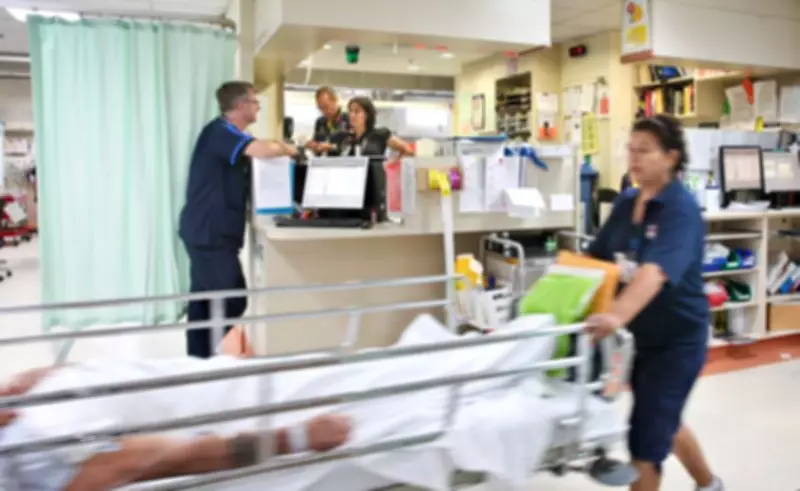
The Western Australian public healthcare system is confronting an unprecedented staffing crisis, with doctors abandoning public hospitals at the highest rate in six years. This alarming exodus coincides with dangerously extended emergency department wait times and a growing number of patients who are forced to delay or completely forgo essential medical care due to escalating costs.
Productivity Commission Report Reveals Grim Statistics
The stark reality of WA's healthcare challenges is detailed in the latest Productivity Commission report on government services. This comprehensive document outlines the performance of public hospitals, ambulance services, primary health, and mental health services across the nation. The findings for Western Australia paint a particularly troubling picture of systemic strain and patient suffering.
Record Doctor Attrition and Nursing Staff Challenges
In 2024, the attrition rate for WA doctors working in public hospitals surged to a six-year peak of 26.4 percent. This means more than a quarter of the public hospital medical workforce departed their roles, marking the highest rate of doctor loss anywhere in the country. The national average for doctor attrition during the same period was 24.2 percent.

While the situation for nurses showed a slight improvement, it remains critical. The attrition rate for WA nurses decreased from 30.5 percent in 2023 to 24.8 percent in 2024. This brought the state's nursing attrition rate in line with the national average of 24.5 percent, indicating that nearly one in four nurses still left their public hospital positions.
Emergency Department Wait Times Reach Critical Levels
Patients in Western Australian public emergency departments are enduring increasingly dangerous wait times. During the 2024-25 period, fewer than half of all waiting patients were seen within clinically appropriate timeframes. The situation is most dire for urgent cases.
Only 29 percent of West Australians triaged as urgent — meaning their condition was classified as potentially life-threatening — were seen within the acceptable 30-minute timeframe. This performance falls dramatically below the national average of 61 percent for the same category of patients.
For emergency cases defined as imminently life-threatening, one in three patients (33 percent) were not seen within the requisite 10-minute window. This concerning statistic matches the national average of 32 percent for this most critical patient category.
Cost Barriers Prevent Essential Healthcare Access
The financial burden of accessing healthcare is creating a significant barrier for West Australians needing both primary and mental health services. Prohibitive costs are pushing people to delay appointments or avoid seeking professional medical help altogether, potentially allowing manageable conditions to develop into serious health crises.
Approximately 7 percent of West Australians delayed or did not see their General Practitioner in 2024-25 specifically due to cost concerns. When seeking a GP for mental health reasons, this figure increased to nearly 10 percent of the population.
The financial barrier is even more pronounced for specialist mental health care. A staggering 23.4 percent of West Australians delayed or did not see a psychologist due to cost, while about 18.7 percent faced the same financial obstacle when trying to access psychiatric care.
Medical Leaders Point to Systemic Failures
Australian Medical Association WA President, Dr Kyle Hoath, attributes the doctor exodus primarily to poor working conditions and toxic workplace culture within the public system. He particularly notes that junior doctors, who have clear professional standards, are refusing to tolerate substandard conditions.
"Conditions are a significant factor; people have simply reached their limit," Dr Hoath stated. "Our junior medical workforce maintains professional standards, and they are no longer willing to accept inadequate working environments."

As a trained psychiatrist, Dr Hoath identifies private health insurers and stagnant Medicare rebates as key drivers behind the cost crisis being passed directly to patients. He explains that when insurers increase pressure on medical practices and business costs rise, practitioners have no choice but to charge higher fees to remain viable.
"Medicare rebates do not keep pace with indexation or Consumer Price Index increases," Dr Hoath emphasized. "We endure lengthy waits for tokenistic reviews that result in minimal adjustments, creating an unsustainable financial model for both practitioners and patients."
Calls for Genuine Medicare Reform and Political Leadership
Dr Hoath argues that the fundamental issue is a "lack of real, meaningful reform of Medicare" that will inevitably continue to drive patient costs upward. He suggests that political decisions are too often made based on electoral calculations rather than societal benefit.
"Political decisions frequently prioritize what is advantageous for votes rather than what is genuinely best for society," he observed. "These priorities sometimes align, but often they do not. The current government possesses substantial power; we need bipartisan agreement on substantive reform. Demonstrate genuine leadership and clarify your actual principles regarding healthcare."
The convergence of record doctor attrition, critical emergency department delays, and prohibitive healthcare costs creates a perfect storm for Western Australia's public health system. Without significant intervention and structural reform, patient outcomes are likely to deteriorate further, placing unprecedented strain on both healthcare professionals and the West Australian community they serve.