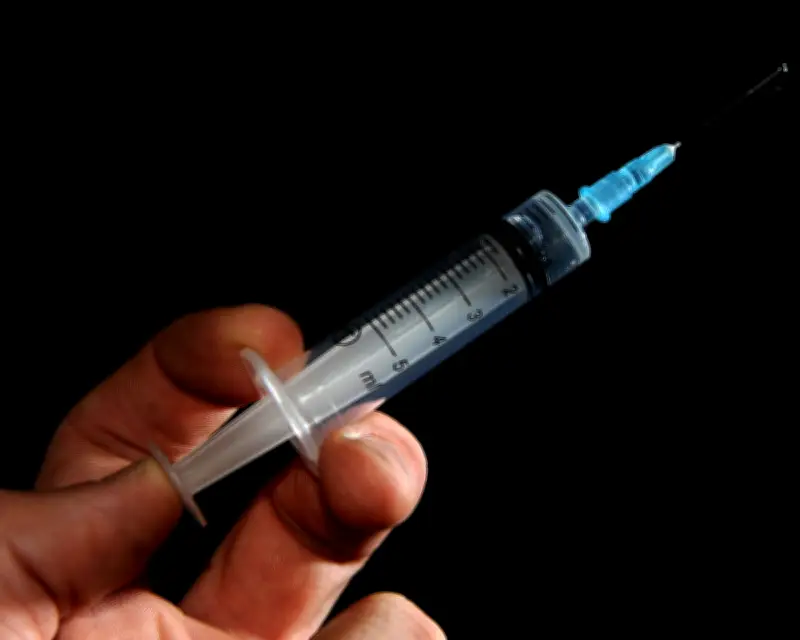
A new triple-action weekly injection for type 2 diabetes has shown the potential to significantly reduce both blood sugar levels and body weight, according to the results of a phase 3 clinical trial. The study, published in the Lancet, examined the effects of retatrutide, a drug that mimics three gut hormones: GLP-1, GIP, and glucagon. These hormones play key roles in regulating appetite, blood sugar, and metabolism.
How Retatrutide Differs from Existing Medications
Unlike commonly prescribed diabetes medications such as Ozempic and Wegovy, which primarily target the GLP-1 pathway to suppress appetite, or Mounjaro, which combines GLP-1 and GIP to control blood sugar, retatrutide also activates the glucagon receptor. This additional mechanism helps increase energy expenditure, potentially leading to greater weight loss.
Trial Results
The trial involved 930 adults with type 2 diabetes who were not taking any diabetes medications and had inadequately controlled blood sugar levels and a body mass index (BMI) of at least 23. Participants were randomly assigned to receive weekly injections of either 4mg, 9mg, or 12mg of retatrutide, or a placebo. After 40 weeks, those on retatrutide experienced an average drop in HbA1c (a measure of long-term blood sugar) of 1.7 to 1.9 percentage points, compared to 0.8 points in the placebo group. Weight loss was also substantial: participants on the drug lost an average of 11.5% to 15.3% of their body weight, while those on placebo lost only 2.6%. Additionally, cholesterol levels and blood pressure improved in the retatrutide group.

Side Effects
Fourteen participants experienced serious adverse events during the trial, including two in the placebo group. However, for most participants, side effects were mild to moderate and diminished over time, with gastrointestinal symptoms being the most common. The authors noted that the new triple-action medication could improve health outcomes for some patients, particularly those requiring more intensive treatment for type 2 diabetes. Further clinical trials are ongoing.
Expert Reactions
Dr. Kath McCullough, special adviser on obesity at the Royal College of Physicians, described the findings as very encouraging. "For many people living with diabetes and obesity, treatments like this could be genuinely life-changing," she said. However, she cautioned that medications are not a silver bullet and that the long-term goal should be prevention.
Dr. Marie Spreckley, a specialist in diabetes prevention at the University of Cambridge, called the results striking, particularly the magnitude of weight loss. However, she noted that since the study compared retatrutide with a placebo rather than existing therapies like semaglutide or tirzepatide, it is not possible to determine whether retatrutide is superior, equivalent, or inferior. Direct head-to-head trials are needed before firm conclusions can be drawn.
Dr. Lucy Chambers of Diabetes UK welcomed the findings, stating that the new class of drug could deliver dual benefits for weight loss and blood sugar management. She looked forward to further research to understand its long-term effects and how it compares to treatments already available on the NHS.