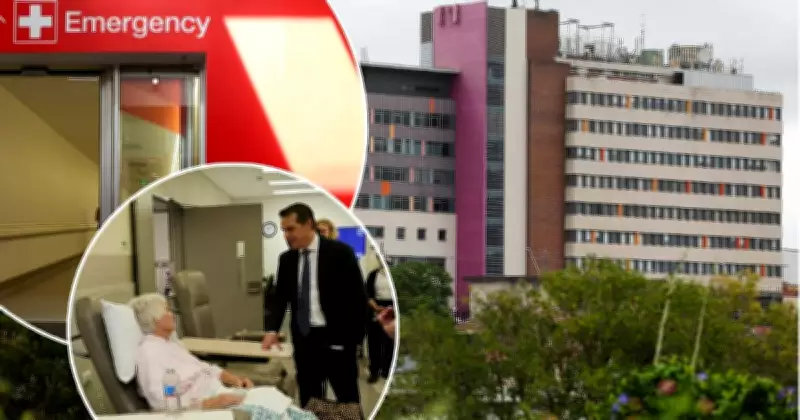
Wollongong Hospital Implements Short-Stay Ward to Alleviate Emergency Department Pressures
A new short-stay ward at Wollongong Hospital has been introduced to address the growing demand on the emergency department, with early reports indicating a significant reduction in wait times for specific patient groups. This initiative aims to streamline healthcare delivery and enhance patient outcomes by providing a dedicated space for those requiring brief observation or treatment before discharge.
Operational Details and Patient Impact
The short-stay ward is designed to accommodate patients who need monitoring for up to 24 hours, such as individuals with minor injuries, infections, or conditions that do not necessitate full hospital admission. By diverting these cases from the main emergency department, the hospital has managed to decrease congestion and improve the overall flow of patients. Medical staff have noted that this approach allows for more focused care in the ED for critical cases, while ensuring that less urgent patients receive timely attention in a less stressful environment.
According to hospital administrators, the ward has already shown positive results since its implementation, with data revealing a noticeable drop in average wait times for eligible patients. This improvement is particularly beneficial during peak periods when emergency departments typically experience high volumes. The strategy aligns with broader efforts across the healthcare sector to optimize resources and reduce strain on public hospitals.

Community and Healthcare System Benefits
The introduction of the short-stay ward is expected to have long-term benefits for the Wollongong community, including faster access to medical services and reduced overcrowding in emergency rooms. Patients and their families have reported higher satisfaction levels due to shorter waits and more personalized care. Additionally, this model could serve as a template for other regional hospitals facing similar challenges, promoting efficiency and cost-effectiveness in healthcare delivery.
Health officials emphasize that the ward is part of a comprehensive plan to enhance hospital capacity and adapt to increasing patient needs. Ongoing evaluations will monitor its effectiveness and identify areas for further improvement, ensuring that the healthcare system remains responsive and resilient in the face of future demands.