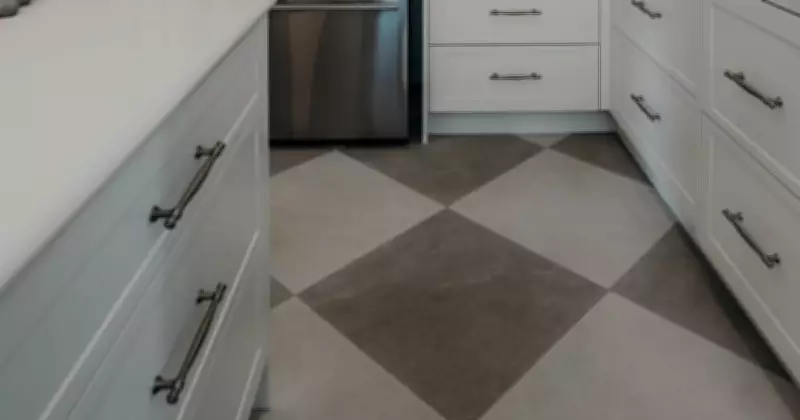
The Second Kitchen: A 19th-Century Concept Revived for Modern Home Cleanliness
In an era where home design trends often look to the future, a surprising throwback from the 19th century is gaining traction among modern homeowners. The concept of the second kitchen, once a staple in Victorian and Edwardian households, is being reimagined to address contemporary challenges of cleanliness and organization. This historical idea, which involved having a separate space for messy cooking tasks, is now being adapted to fit today's lifestyles, offering a practical solution to keep living areas pristine.
Historical Roots and Modern Adaptations
The original second kitchen, also known as a scullery or back kitchen, was common in affluent 19th-century homes. It served as a utilitarian area where servants or family members could handle the grimy aspects of food preparation, such as cleaning vegetables, washing dishes, and managing coal stoves. This kept the main kitchen, often used for dining and socializing, free from clutter and odors. Fast-forward to the 21st century, and homeowners are rediscovering this concept, but with a twist. Instead of relying on servants, modern second kitchens are designed as functional extensions of the primary kitchen, often integrated into open-plan layouts or converted from pantries or laundry rooms.
Today's versions might include features like additional sinks, compact appliances, or dedicated storage for bulk items. The goal remains the same: to segregate messy activities from the main living spaces, thereby reducing cross-contamination and making cleanup more efficient. This approach not only enhances hygiene but also supports a more organized home environment, where cooking chaos is contained in a designated zone.

Benefits for Contemporary Living
Adopting a second kitchen concept offers several advantages for modern households. Firstly, it promotes better cleanliness and hygiene by isolating food prep areas from where meals are served or enjoyed. This is particularly valuable in homes with open-plan designs, where kitchen mess can easily spill into living or dining areas. Secondly, it can improve workflow efficiency; having a secondary space for tasks like meal prepping or appliance use can streamline cooking processes and reduce congestion in the main kitchen.
Moreover, this concept aligns with current trends toward multifunctional homes. As more people work remotely or entertain frequently, a second kitchen can serve dual purposes—such as a coffee station, bar area, or even a mini-office—without disrupting the primary kitchen's functionality. It also caters to growing environmental awareness by encouraging practices like composting or recycling in a dedicated spot, away from main living quarters.
Practical Considerations and Implementation
Implementing a second kitchen doesn't necessarily require a major renovation. Homeowners can start small by repurposing existing spaces. For example, a walk-in pantry can be outfitted with a sink and countertop, or a corner of a laundry room can be converted into a prep area. Key elements to consider include:
- Space allocation: Even a compact area, such as a few square meters, can suffice if well-designed.
- Appliance selection: Opt for smaller, energy-efficient models like under-counter refrigerators or induction cooktops.
- Storage solutions: Use vertical shelving or pull-out cabinets to maximize utility without cluttering the space.
While the concept may evoke images of grand historical homes, it's adaptable to various budgets and property sizes. In urban apartments, for instance, a second kitchen might be as simple as a kitchenette in a study nook, while in larger suburban houses, it could involve a fully equipped secondary room. The flexibility of this idea allows homeowners to tailor it to their specific needs, whether they're aiming to reduce mess, host gatherings more easily, or simply enjoy a tidier living environment.

Conclusion: A Timeless Solution for Modern Challenges
The revival of the second kitchen concept demonstrates how historical ideas can offer innovative solutions to contemporary problems. By borrowing from 19th-century design principles, modern homeowners are finding ways to enhance cleanliness, efficiency, and organization in their living spaces. As housing trends continue to evolve, this blend of old and new may become a staple in future home designs, proving that sometimes, the best ideas are those that have stood the test of time. Whether you're planning a renovation or simply seeking inspiration, considering a second kitchen could be a smart move toward a cleaner, more functional home.