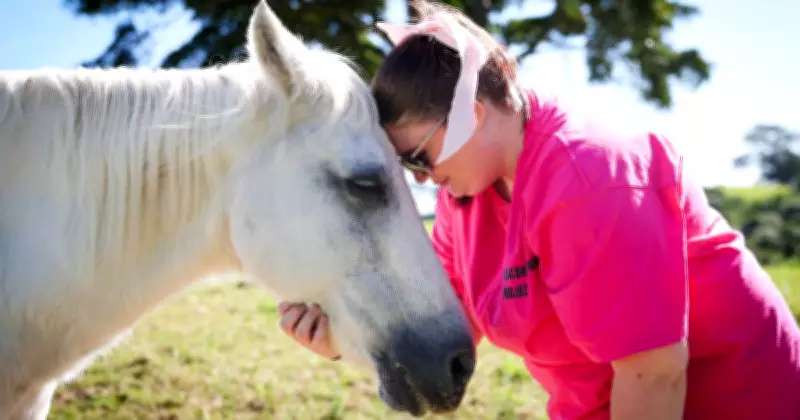
Healing with Horses: Trauma Survivors Find New Strength in Equine Therapy
In a groundbreaking approach to mental health recovery, trauma survivors across Australia are turning to equine therapy to find new strength and healing. This innovative method leverages the unique bond between humans and horses to help individuals rebuild trust, process emotional wounds, and develop resilience after traumatic experiences.
The Power of Equine Connections
Equine therapy, also known as horse-assisted therapy, involves guided interactions with horses in a controlled, therapeutic setting. Unlike traditional talk therapy, this approach focuses on non-verbal communication and the intuitive nature of horses, which are highly sensitive to human emotions. Survivors of trauma, including those affected by abuse, accidents, or military service, report significant breakthroughs in their recovery journeys through these programs.
Horses, as prey animals, are naturally attuned to their environment and can mirror human feelings, providing immediate feedback that helps participants become more aware of their own emotional states. This process fosters a sense of safety and connection, which is often shattered by trauma. By learning to communicate with and care for these gentle giants, survivors gradually rebuild the trust and self-esteem that trauma may have eroded.

Transformative Benefits for Mental Health
Research and anecdotal evidence highlight numerous benefits of equine therapy for trauma survivors. Participants often experience reduced symptoms of anxiety, depression, and post-traumatic stress disorder (PTSD). The physical act of grooming, feeding, and leading horses also promotes mindfulness and reduces stress, while the responsibility involved boosts confidence and a sense of purpose.
Moreover, equine therapy encourages emotional regulation and improved social skills. As survivors navigate their interactions with horses, they learn to set boundaries, express emotions healthily, and develop empathy—skills that translate to better relationships in their personal and professional lives. Many programs are tailored to specific groups, such as veterans or survivors of domestic violence, ensuring that therapy addresses unique needs and challenges.
Growing Adoption and Future Prospects
Equine therapy is gaining traction in Australia as a complementary treatment alongside conventional mental health services. Organizations and therapists are increasingly incorporating it into their offerings, driven by positive outcomes and growing demand. While more scientific studies are needed to fully understand its mechanisms, the success stories from participants underscore its potential as a powerful tool for healing.
As awareness spreads, advocates hope to see greater integration of equine therapy into mainstream mental health care, making it accessible to more trauma survivors. This approach not only aids in recovery but also highlights the profound impact that animals can have on human well-being, offering a beacon of hope for those seeking to reclaim their strength after trauma.