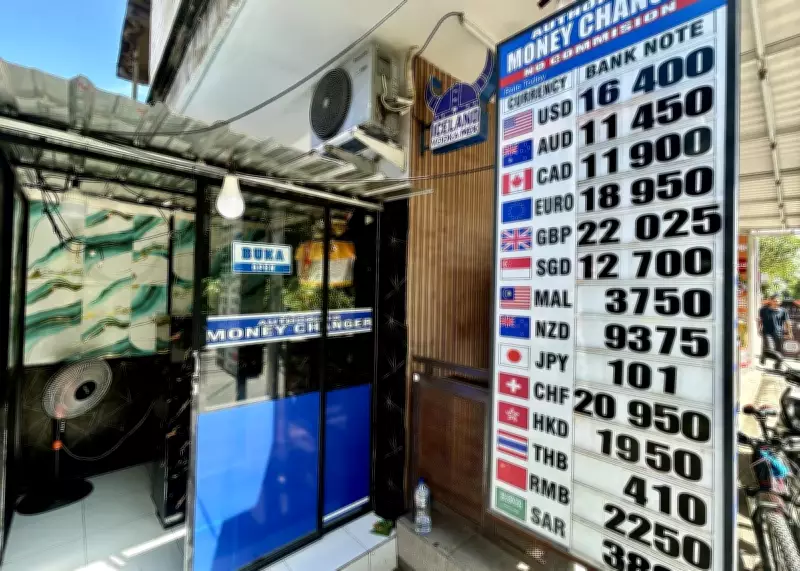
Bali Money Changing Scams: A Deceptive Threat to Tourists
In Bali, a long-standing scam targeting tourists at currency exchange shops continues to thrive, robbing thousands of Australian visitors of their hard-earned cash. The scheme is alarmingly simple yet highly effective, as exposed in a viral video that has garnered millions of views worldwide.
How the Scam Operates
The process typically begins when a tourist enters a currency exchange kiosk or shop in Bali. After agreeing on an exchange rate with the teller, the Australian dollars are counted to confirm the amount. The teller then produces Indonesian rupiah notes, counting them aloud multiple times to build trust. However, just before handing over the bundle, the teller uses sleight of hand to swipe notes off the counter, making it appear as though the money has merely been reorganized. Unaware victims walk away, only to discover later that they have been robbed.
This scam has been ongoing for decades, with many tourists falling prey due to its subtle execution.

Expert Advice to Avoid Being Scammed
Lithuanian magician and world-record card thrower Rokas Bernatonis, who highlighted the scam in his viral video, offers crucial tips for travelers. "Rule No.1. You don't go to shady places," he advises, pointing out that kiosks with overly attractive exchange rates often engage in theft. If exchanging cash is unavoidable, Bernatonis emphasizes counting the money yourself before leaving and preventing the teller from touching it during the count.
To further reduce risk, consider avoiding money changers outside Bali's international airport. Instead, utilize electronic payment systems widely available across the island or withdraw cash from ATMs, though caution is needed to avoid card-skimming scams at these machines.
Government Efforts to Combat the Scam
The Balinese government is taking steps to address this issue, aiming to enhance tourism quality. At a recent press conference, Balinese governor Wayan Koster announced the launch of moneychangerbali.com, a website in English and Bahasa Indonesian. This resource includes an interactive map to locate licensed exchange shops and a tool for reporting illegal operators. "Regulating illegal money changers is a strategic step towards realising quality tourism in Bali that is globally competitive," Koster stated.
Existing laws impose severe penalties, with unauthorized foreign exchange activities punishable by up to 10 years imprisonment and fines reaching 50 billion rupiah (approximately $4.2 million). However, enforcement faces challenges due to the influence of local "banjar" (village-level government bodies) and potential connections to crime syndicates, making negotiations necessary rather than direct action.
What to Do If You Are Scammed
If you fall victim to a money changing scam in Bali, the response depends on the amount lost. For small sums, it may be best to move on and enjoy your holiday, as confronting the teller could escalate into physical altercations. For significant losses, report the incident to your travel insurance provider, but note that a police report is often required.
Ni Luh Sukasari, a partner at Balinese law firm Malekat Hukum, recommends gathering evidence such as receipts, photos, or transaction records and filing a report with local police. Additionally, consumers can submit complaints to the Badan Penyelesaian Sengketa Konsumen for dispute resolution under consumer protection laws.
While authorities work on long-term solutions, following expert advice and staying vigilant remain the best defenses against these deceptive practices in Bali.