Greece, a land steeped in mythology, offers travelers a unique opportunity to walk in the footsteps of ancient gods and heroes. From the towering peaks of Mount Olympus to the intricate passages of the Cretan Labyrinth, the country is dotted with sites that bring ancient stories to life.
Mount Olympus: Home of the Gods
Mount Olympus, the highest mountain in Greece at 2,917 meters, was believed to be the dwelling place of the twelve Olympian gods. Today, it is a UNESCO Biosphere Reserve and a popular destination for hikers. Visitors can explore the Enipeas Gorge and the Plateau of Muses, where ancient myths say the gods once gathered. According to local guides, the mountain's mystical aura remains palpable, especially at sunrise when the peaks glow golden.
Delphi: The Navel of the World
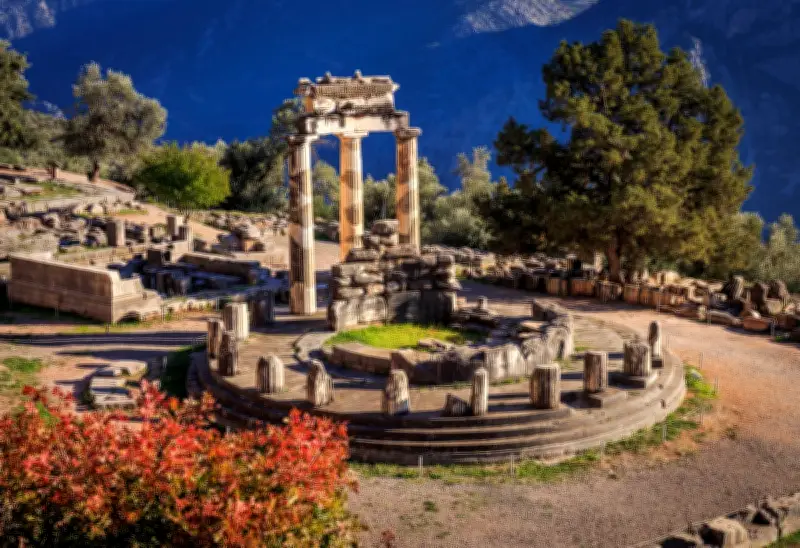
Delphi, considered the center of the ancient world, was home to the Oracle of Apollo. Pilgrims traveled from across the Mediterranean to seek prophecies from the Pythia, the high priestess. The archaeological site includes the Temple of Apollo, the ancient theater, and the stadium where the Pythian Games were held. As one historian noted, 'Delphi was not just a religious site but a political and cultural hub that influenced the entire Greek world.'

Crete: The Labyrinth and the Minotaur
The island of Crete is synonymous with the myth of the Minotaur, a half-man, half-bull creature that lived in the Labyrinth built by Daedalus. The Palace of Knossos, with its complex layout of rooms and corridors, is often linked to this legend. Excavations have revealed vibrant frescoes and advanced plumbing systems, indicating a sophisticated Minoan civilization. Tourists can wander through the palace ruins and imagine the epic tale of Theseus and the Minotaur.
Mycenae: The Kingdom of Agamemnon
Mycenae, a citadel from the Bronze Age, was the home of King Agamemnon, who led the Greeks in the Trojan War. The site features the famous Lion Gate, the royal tombs, and the Treasury of Atreus. Archaeologists have uncovered golden masks and weapons, confirming the wealth of this ancient city. 'Walking through Mycenae is like stepping into Homer's epics,' remarked a local archaeologist.
Athens: The City of Athena
Athens, named after the goddess Athena, is a must-visit for mythology enthusiasts. The Parthenon on the Acropolis was dedicated to Athena Parthenos, the virgin goddess. The Erechtheion, with its iconic Caryatids, marks the spot where Athena and Poseidon competed for the city's patronage. The National Archaeological Museum houses artifacts that illustrate these myths, including pottery and sculptures.
Thessaly: The Centaurs and the Golden Fleece
Thessaly, a region in central Greece, is associated with the centaurs, half-horse, half-human creatures, and the myth of Jason and the Argonauts who sought the Golden Fleece. Mount Pelion, where the centaur Chiron taught heroes like Achilles, offers scenic hiking trails. The village of Volos serves as a gateway to these myths, with a museum dedicated to the Argonautic expedition.
Ithaca: The Home of Odysseus
The island of Ithaca, the home of Odysseus, is a symbol of perseverance and cunning. Visitors can explore the ruins of the Palace of Odysseus and the Cave of the Nymphs. Local traditions and festivals keep the memory of the Odyssey alive. 'Every stone on Ithaca tells a story of the hero's journey,' said a local guide.
Impact and Tourism
Mythological tourism in Greece has seen a steady increase, with over 2 million visitors annually to sites like Delphi and Knossos. This trend boosts local economies but also raises concerns about preservation. The Greek Ministry of Culture has implemented measures to protect these ancient sites, including limited visitor numbers and restoration projects.
In conclusion, Greece's mythical landscapes offer a tangible connection to ancient stories that have shaped Western civilization. Whether you are a history buff, a hiker, or a dreamer, these destinations provide an unforgettable journey into the world of gods and heroes.