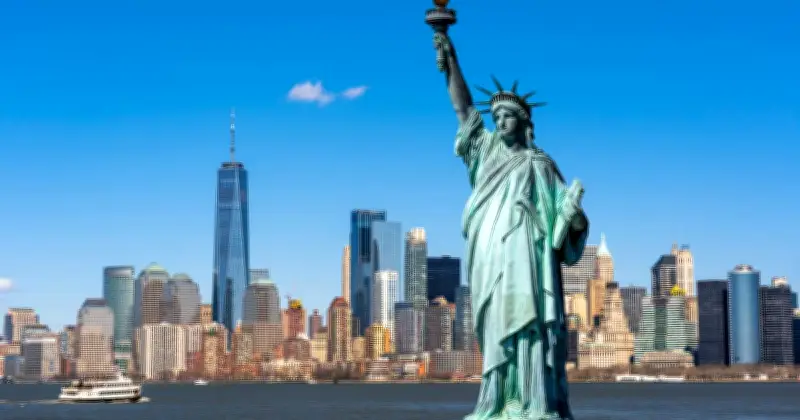
International tourism to the United States has dropped by about five percent over the past two years, while the rest of the world has seen a ten percent increase, according to official figures. For Australians, the romance with America is cooling, driven by political tensions, rising costs, and a strong dollar that makes travel elsewhere more appealing.
Trump's Policies and Border Fears
Donald Trump's presidency has created a climate of fear, with stories of heavy-handed border officials and proposals to search visitors' social media. However, 68 million international visitors traveled to the US last year without incident, suggesting that media hype may be overstated. Yet the perception of arbitrary detention or denial of entry lingers, particularly among Australian travelers who value a hassle-free experience.
The Cost Factor: Inflation and Exchange Rates
America has become prohibitively expensive. An unfavorable exchange rate and high inflation are major deterrents. Trump's price hikes for foreigners visiting top national parks add to the burden. For many Australians, a US holiday now feels like poor value compared to destinations in Asia or Europe.

Cultural Ties and the FIFA World Cup Boost
Despite the downturn, cultural connections remain strong. The FIFA World Cup, hosted by the US alongside its 250th anniversary, has focused international attention. FIFA reports that Australians were the sixth-highest nation for ticket sales after host countries, and travel data shows the number of Australians visiting host cities doubled compared to the same time last year. However, hotel occupancy in many host cities is below expectations, with Atlanta seeing rates between 60 and 80 percent.
Regional Tourism: A Silver Lining
Liz Bittner, president of Travel South, an umbrella group for 12 southern US states, told The Oz Post that their tourism numbers have not declined, though they have not increased either. "We feel like we're a 10-year overnight success, and you can quote me on that!" she says. States like Louisiana, Tennessee, and North Carolina are promoting unique experiences—New Orleans food, Nashville music, Great Smoky Mountains—as better value than other parts of the country.
Outlook: States Over the States
As the national image suffers, individual states are stepping up to attract visitors. The 2028 Olympics in Los Angeles may also provide a boost. For now, Australians are willing to travel to the US if the experience is worth it, as evidenced by World Cup ticket sales. The key takeaway: principles and finances can be trumped by a good time, but the US tourism industry must work harder to win back hearts and wallets.