Anti-Protest Legislation Declared Invalid by Courts
In a landmark decision, Australian courts have officially struck down controversial anti-protest laws that were enacted in recent years. This ruling has ignited a significant public and legal debate, with many advocacy groups and legal experts now calling for all charges against individuals prosecuted under these statutes to be immediately dropped.
Legal Challenges and Judicial Review
The laws in question, which aimed to restrict protest activities in various public spaces, faced multiple legal challenges from human rights organizations and civil liberties advocates. After extensive judicial review, the courts found that these regulations infringed upon fundamental democratic rights, including freedom of speech and assembly, as protected under the Australian Constitution and international human rights standards.
This decision marks a pivotal moment in the ongoing struggle between government authority and citizen activism, highlighting the critical role of the judiciary in upholding civil liberties.

Immediate Calls for Justice and Reform
Following the court's ruling, there has been a surge of demands from community leaders, legal professionals, and activist networks for the authorities to dismiss all pending and past charges related to protests conducted under the now-invalid laws. Proponents argue that continuing to prosecute individuals under legislation deemed unconstitutional would be a grave miscarriage of justice and could undermine public trust in the legal system.
Additionally, this development has spurred discussions about the need for comprehensive legal reforms to ensure that future protest regulations strike a better balance between maintaining public order and protecting essential democratic freedoms.
Broader Implications for Activism and Policy
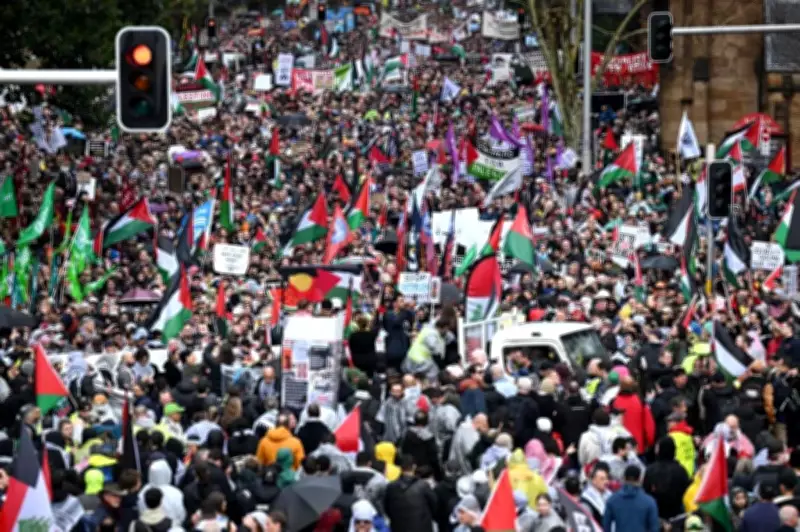
The overturning of these anti-protest laws is expected to have far-reaching consequences for social movements and environmental campaigns across Australia. Activists who were previously deterred by the threat of legal repercussions may now feel emboldened to engage in more assertive forms of protest, potentially leading to increased public demonstrations on issues such as climate change, indigenous rights, and social justice.
Moreover, this ruling places pressure on lawmakers to reconsider their approach to protest management, advocating for policies that are both effective and respectful of constitutional rights. The outcome of this legal battle is likely to influence similar debates in other jurisdictions, setting a precedent for how protest laws are evaluated and enforced in democratic societies.
Looking Ahead: Next Steps and Ongoing Debates
As the legal dust settles, attention now turns to the practical implementation of the court's decision. Key questions remain about how quickly charges will be dropped, whether compensation will be offered to those affected, and what new legislative frameworks might be proposed to replace the invalidated laws. Stakeholders from all sides are gearing up for continued advocacy and negotiation, ensuring that this issue remains at the forefront of political and legal discourse in the coming months.
This case underscores the dynamic interplay between law, activism, and democracy, reminding us of the constant need to vigilantly defend civil liberties in an ever-changing social landscape.