DNA Evidence Connects Accused Husband to Anonymous Letter in Decades-Old Murder Case
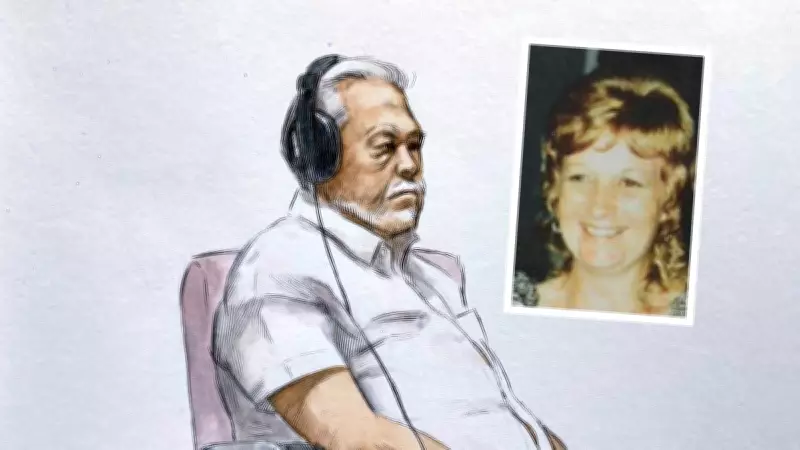
In a dramatic development at the Supreme Court, forensic scientists have revealed that DNA found on an anonymous letter matches that of Raymond Reddington, the 79-year-old man accused of murdering his wife Sharon Fulton four decades ago. The letter, which claimed detailed knowledge of the killing, was sent to the Coroner's Court just before an inquest into Ms. Fulton's disappearance was scheduled to begin.
Anonymous Letter Details Alleged Murder and Burial Site
Coroner's court officer Shane Hermans-Watson testified that he received the anonymous correspondence on November 11, 2021. The letter's author claimed to have worked for a construction worker named "Mickeal Harrison," described as a "bit of a ladies man" who was having an affair with a married woman. According to the letter, Harrison confessed that the woman had become pregnant and was pressuring him to leave his wife for her.
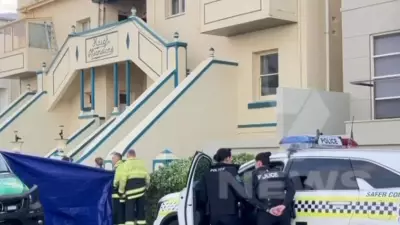
The correspondence provided chilling details, alleging that while driving through Scarborough, Harrison pointed out a specific house and stated: "You know what is under the slab? I got rid of the problem I had with that woman they won't find her under that car port slab." The letter's author concluded: "I'm sure that is the missing woman," referring to Sharon Fulton.

Forensic Examination Reveals DNA Match
Forensic scientist Bethany Offereins presented evidence detailing how investigators used a "tape lift" technique to retrieve DNA from inside the envelope. This method involves wrapping sterile cellophane tape around gloved hands and carefully patting the surface to collect genetic material. The analysis revealed that DNA recovered from the envelope interior matched Raymond Reddington's genetic profile.
Statistical analysis presented to the court indicated it was one hundred billion times more likely that Reddington contributed to the DNA sample than an unrelated individual. However, under cross-examination, Ms. Offereins acknowledged that forensic science could not determine how or when Reddington's DNA was deposited on the envelope.
Prosecution's Theory: A Deliberate False Trail
Prosecutor Ben Stanwix has argued that Reddington sent the anonymous letter to the Coroner's Court in an attempt to "lay a false trail" and divert suspicion from himself. The prosecution's case suggests Reddington was motivated to kill his wife because she had filed for divorce, sought custody of their four children, and requested a property settlement that would have required him to pay maintenance.
Adding to the prosecution's narrative, evidence revealed that just weeks before Sharon Fulton disappeared on March 18, 1986, Reddington took out a life insurance policy in her name worth $120,000—a substantial sum at the time. The mother of four was last seen leaving her Duncraig home to drop off their three-year-old son Heath in Wangara. Reddington, who had changed his name from Maxwell Robert Fulton, reported his wife missing to police three days later.
Defence Challenges Investigation Methods
Defence counsel Jonathan Davies has launched a vigorous challenge against the police investigation, accusing authorities of "tunnel vision" and "confirmation bias" after deciding early that his client was responsible for the crime. Davies argued that investigators "never properly eliminated" other potential predators active in Perth during 1986, including notorious criminals David and Catherine Birnie and the late Terrence John Fisher.
The defence contends that the investigation was inadequate and inconsistent, with periods of intense focus followed by lengthy intervals of minimal activity. This approach, Davies suggests, may have overlooked alternative explanations for Sharon Fulton's disappearance and the subsequent anonymous letter.
Ongoing Trial and Historical Context
The Supreme Court trial continues to examine one of Western Australia's most enduring missing persons cases, now transformed into a murder prosecution four decades after the initial disappearance. The combination of modern forensic DNA analysis with historical evidence from 1986 creates a unique legal challenge as the court seeks to establish what happened to Sharon Fulton and who bears responsibility.

As testimony continues, the court must weigh the compelling DNA evidence against the defence's claims of investigative shortcomings, while considering the prosecution's theory about motive and the mysterious anonymous letter that brought renewed attention to this decades-old case.