Irma Palasics Manslaughter Verdict Concludes 26-Year Cold Case
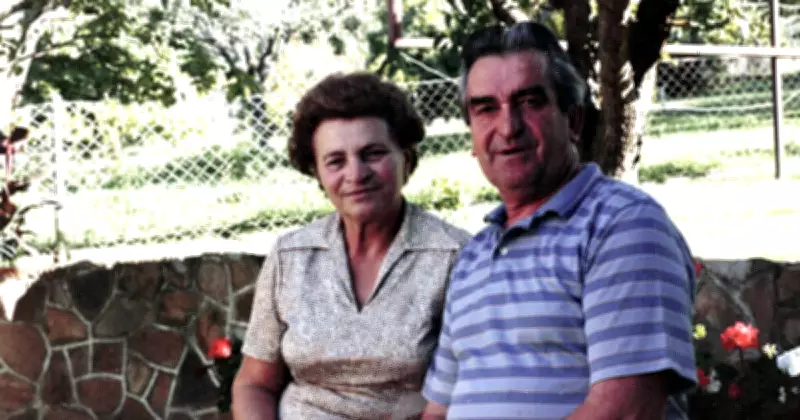
In a significant development for the Canberra community, a manslaughter verdict has been delivered in the case of Irma Palasics, bringing an end to a 26-year cold case that had long puzzled investigators and the public alike. The resolution of this protracted investigation marks a pivotal moment in the pursuit of justice for the victim and her family, who have endured decades of uncertainty and grief.
Details of the Case and Investigation
The case dates back to the late 1990s when Irma Palasics was tragically killed under circumstances that remained shrouded in mystery for over two decades. Law enforcement agencies in Canberra dedicated extensive resources to the investigation, but the lack of conclusive evidence and leads initially hindered progress, allowing the case to go cold. Over the years, advancements in forensic technology and renewed investigative efforts played a crucial role in reopening and ultimately solving this long-standing mystery.
Authorities have not disclosed specific details about the evidence that led to the breakthrough, but it is understood that modern forensic techniques and persistent detective work were instrumental in piecing together the events surrounding Palasics' death. The verdict, delivered after a thorough legal process, confirms the manslaughter charge, providing a measure of accountability for the crime.

Impact on the Community and Legal System
The resolution of this cold case has resonated deeply within the Canberra community, where the incident had left a lasting impact. For many residents, the case served as a reminder of the challenges in solving older crimes and the importance of perseverance in the justice system. The verdict not only offers closure to Palasics' family but also reinforces public confidence in law enforcement's ability to address historical cases.
Legal experts highlight that this outcome underscores the evolving nature of criminal investigations, where technological advancements can breathe new life into dormant cases. It also sets a precedent for other cold cases across Australia, demonstrating that justice can be achieved even after many years. The successful prosecution involved collaboration between various agencies, showcasing the effectiveness of coordinated efforts in complex investigations.
Broader Implications and Future Considerations
This verdict raises important questions about the handling of cold cases in Australia and the resources allocated to them. As more cases from past decades remain unsolved, there is growing advocacy for increased funding and specialized units dedicated to re-examining such incidents. The Palasics case serves as a testament to the potential for breakthroughs when old evidence is revisited with new tools and perspectives.
Moreover, the emotional toll on families affected by unresolved crimes cannot be overstated. The closure provided by this verdict may inspire other victims' relatives to seek renewed investigations into their own cases. In Canberra and beyond, this development is likely to spur discussions on improving cold case protocols and ensuring that justice is not limited by the passage of time.
In conclusion, the manslaughter verdict in the Irma Palasics case after 26 years represents a triumph of persistence and modern investigative methods. It highlights the ongoing commitment to justice in Australia's legal system and offers hope for other cold cases awaiting resolution.