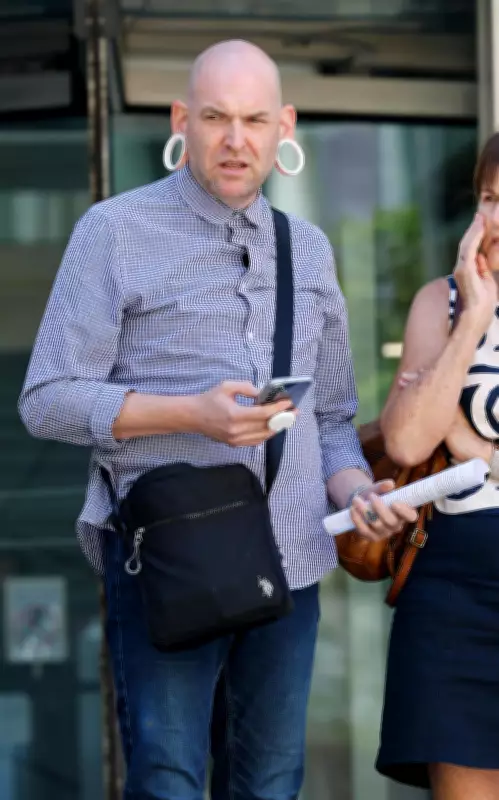
Perth Man Escapes Immediate Imprisonment for 3D Printed Firearm Offence
In a case described as "line-ball" by the presiding judge, a Western Australian man has narrowly avoided immediate jail time after manufacturing a firearm using a 3D printer at his parents' home. Benjamin Cheeseman, 43, received a suspended sentence in the District Court of Western Australia following his arrest in January 2025.
Police Discovery During Traffic Stop
The court heard that police officers pulled Cheeseman over in the suburb of Ascot and discovered a Glock-type firearm concealed within a compartment of his vehicle. Alongside the weapon, officers found methylamphetamine and drug paraphernalia. Further investigation revealed additional 3D printed firearm components stored under the passenger seat and in the boot of the car.
Subsequent searches at his parents' Riverton residence, where Cheeseman was living following relationship difficulties and unemployment, uncovered two 3D printers - one operational and loaded, another broken. Forensic analysis confirmed Cheeseman's DNA on both the firearm and associated parts recovered from his vehicle.

Defence and Prosecution Arguments
Defence counsel John Hawkins presented his client as someone whose initial interest in 3D printing for jewellery making took a dangerous turn. "His interest in making firearms was piqued when he saw instructions on an SD card," Hawkins explained to the court. The lawyer claimed Cheeseman experienced a "light-bulb moment" realizing the project was ill-advised and was preparing to dispose of the weapon when apprehended by authorities.
Hawkins emphasized that the firearm lacked a crucial spring component, rendering it incapable of discharge, and asserted his client had no intention of targeting anyone with the weapon.
Prosecutor Ashton Tognini countered this narrative, stating the State rejected Cheeseman's explanation. "This was not impulse offending," Tognini argued, revealing that investigation showed Cheeseman had been researching firearm construction for approximately one month prior to his arrest. The prosecution did acknowledge, however, that the weapon showed no connection to organized drug trafficking activities.
Judicial Considerations and Sentencing
Judge John Prior highlighted the seriousness of the offence during sentencing remarks, noting Cheeseman's phone contained hundreds of firearm-related searches and a video depicting a 3D printed gun being fired. The judge contextualized the case within broader national concerns about firearm accessibility, particularly following recent high-profile incidents.
"Laws were being changed to address concerns around the nation about who possessed firearms," Judge Prior stated, specifically referencing heightened awareness after the Bondi massacre. He emphasized that 3D printed weapons circumvent standard licensing procedures and remain untraceable due to their lack of serial numbers - characteristics well-known within criminal circles.
The judge accepted that Cheeseman's actions stemmed from idleness and curiosity rather than malicious intent, noting "the devil made work for idle hands." However, he stressed that general deterrence required significant consideration in sentencing.
Given Cheeseman's previous firearm convictions, which included a suspended imprisonment term, Judge Prior imposed a 12-month suspended sentence with an 18-month operational period. This requires Cheeseman to maintain good behaviour throughout this timeframe or face incarceration. The judge noted this arrangement would allow Cheeseman to access community-based support for substance abuse and psychological counselling.
Broader Implications for Firearm Regulation
This case highlights emerging challenges in firearm regulation as 3D printing technology becomes increasingly accessible. Judge Prior's remarks underscore how homemade weapons undermine traditional control mechanisms while presenting new enforcement difficulties for authorities.

The suspended sentence reflects judicial balancing between the serious nature of firearm offences and individual circumstances, including the defendant's personal challenges and the weapon's non-functional status. This decision comes amid ongoing national discussions about strengthening firearm legislation to address evolving technological threats to public safety.