Man Summoned to Court After Questioning Speeding Camera Fairness
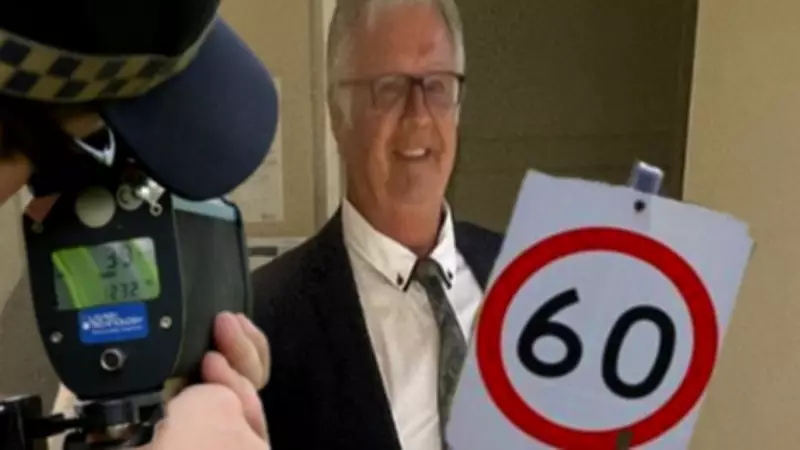
A Townsville man has been summoned to appear in court after he publicly questioned the fairness of a speeding camera that allegedly captured him exceeding the limit. The incident has ignited a broader discussion about the reliability and transparency of automated traffic enforcement systems in Australia.
Details of the Incident
The man, identified as Alan Geoffrey Norman, was reportedly issued a speeding fine based on evidence from a fixed camera. However, Norman contested the fine, arguing that the camera's operation or calibration might have been flawed, leading to an inaccurate reading. His challenge prompted authorities to review the case, ultimately resulting in a court summons rather than a straightforward penalty notice.
This move highlights the legal complexities involved when individuals dispute traffic infringements, especially those reliant on technological devices. Norman's case underscores the importance of due process in traffic law, where alleged offenders have the right to contest evidence before a judicial body.

Broader Implications for Traffic Enforcement
The summons has drawn attention to ongoing concerns about speeding cameras across Australia. Critics often argue that these devices can be prone to errors, such as incorrect speed measurements or improper maintenance, which may unfairly penalize drivers. Proponents, however, maintain that cameras are essential tools for road safety, reducing accidents and enforcing speed limits consistently.
In recent years, similar cases have emerged nationwide, with some drivers successfully challenging fines after demonstrating technical issues with camera equipment. This has led to calls for increased transparency in how these systems are calibrated and operated, as well as better avenues for public scrutiny.
Legal and Community Reactions
Legal experts note that Norman's court appearance could set a precedent for how similar disputes are handled in the future. If the court finds in his favor, it might encourage more drivers to question speeding fines, potentially leading to reforms in traffic enforcement practices. Conversely, a ruling against him could reinforce the authority of automated systems.
Community members in Townsville have expressed mixed views on the matter. Some support Norman's right to challenge what he perceives as an unfair fine, emphasizing the need for accountability in law enforcement. Others worry that such challenges could undermine road safety efforts by casting doubt on effective speed deterrents.
As the case progresses, it is expected to shed light on the balance between technological enforcement and individual rights. The outcome may influence policy discussions around traffic management and the use of automated devices in policing.
For now, Norman awaits his court date, with the proceedings likely to be closely watched by both legal observers and the general public. This incident serves as a reminder of the ongoing debate over fairness and accuracy in modern traffic control measures.