Australia Deploys Military Support to UAE Amid Escalating Iran Conflict
The Australian federal government has confirmed it will deploy significant military assets to the United Arab Emirates as tensions escalate across the Middle East. This deployment includes advanced air-to-air defence systems, a sophisticated Wedgetail long-range reconnaissance aircraft, and approximately 85 Australian Defence Force personnel. The move comes as Gulf nations, including the UAE, Saudi Arabia, Bahrain, and Qatar, face ongoing Iranian missile and drone attacks that have placed immense pressure on regional defence capabilities.
Critical Support for UAE's Defence Systems
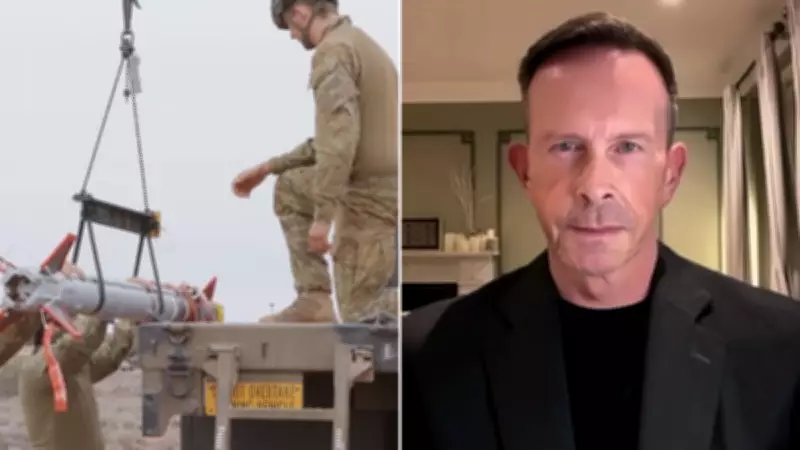
International security specialist Will Geddes emphasised the critical nature of Australia's assistance during a recent television appearance. The UAE has intercepted more than 1,000 missiles and drones during recent escalations, severely straining its defensive resources. Geddes noted that Australia's contribution arrives at a crucial moment, particularly given the substantial Australian expatriate community of approximately 115,000 citizens residing in the UAE who require protection.
"What Australia is bringing is some much-needed support, particularly to the UAE, where you have around 115,000 Australians who are currently located there, and the UAE is running out of air-to-air defences," Geddes explained. "Australia's contribution here is going to be very critical, especially for the UAE who are running out of that capability."

Heightened Terrorism Concerns and International Implications
Security experts have raised significant concerns about potential retaliation from Iran following Australia's military deployment and recent decisions regarding Iranian nationals. Geddes warned that Australia should anticipate a "possible spike" in homegrown terrorist activity, noting that Iran represents the world's largest state sponsor of terrorism. This concern is amplified by Australia's existing domestic terrorism challenges.
Dr. Josh Roose, an expert in terrorism and religious extremism, echoed these concerns while providing additional context about Iran's operational methods. "There is a significantly heightened threat internationally from the Iranian government," Roose stated. He explained that Iran has historically relied on proxy networks and asymmetric tactics to target opponents abroad, including potential sleeper cells and assassination attempts, though specific operational details remain unclear.
Strategic Justification and Government Communication
Despite the acknowledged risks, experts maintain that Australia's deployment is strategically justified. Roose emphasised that the resources being sent are primarily defensive in nature, designed to protect allied cities from drone and missile attacks rather than engage in offensive operations. The deployment represents a calculated effort to support regional stability while protecting Australian interests and citizens abroad.
Geddes stressed the importance of clear government communication regarding Australia's role in the conflict. "It is important that the optics by the Australian government are very, very clear to say we're supporting and that's all we're doing," he remarked. This distinction between support and direct participation could prove crucial in managing international perceptions and potential responses.
Current Threat Assessment and Government Response
Foreign Affairs Minister Penny Wong recently addressed Australia's current security posture, noting that the national terror threat level remains at "probable." This classification indicates security agencies assess there is a greater than 50 percent chance of an onshore attack or attack planning occurring within the next twelve months. The threat level was elevated to this status in 2024 following comprehensive assessments by multiple security agencies.
"We know we live in a very difficult time," Wong stated during her appearance. "I think we all understand what sort of regime we're dealing with here." The government has confirmed that protecting Australian citizens remains its highest priority while working collaboratively with international partners to stabilise the increasingly volatile regional situation.

Authorities continue to monitor the evolving security landscape as tensions across the Middle East show little indication of easing. The deployment represents Australia's latest response to a complex geopolitical situation that carries implications extending far beyond the immediate region, potentially affecting global security dynamics and domestic safety considerations for years to come.