The Lasting Legacy of the Dardanelles Campaign in Modern Warfare
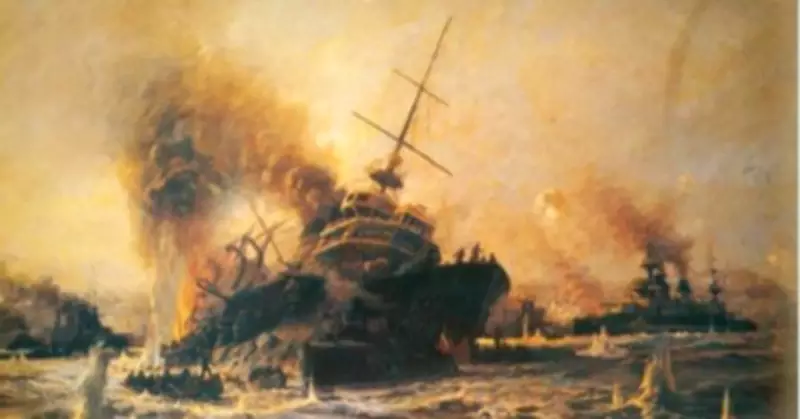
The Dardanelles campaign, a pivotal but disastrous operation during World War I, remains a critical case study for military strategists today. Launched in 1915 by Allied forces, primarily from Britain, France, Australia, and New Zealand, the campaign aimed to secure a sea route to Russia and knock the Ottoman Empire out of the war. However, it resulted in a costly stalemate, with over 250,000 casualties on both sides, and its lessons continue to shape tactical thinking in contemporary conflicts.
Historical Context and Strategic Objectives
In early 1915, the Allied command devised the Dardanelles operation as a response to the deadlock on the Western Front. The plan involved a naval assault to force the straits, followed by amphibious landings on the Gallipoli peninsula. Key objectives included capturing Constantinople (modern-day Istanbul) and opening a supply line to Russia. Despite initial optimism, poor intelligence, inadequate planning, and fierce Ottoman resistance led to a protracted and bloody campaign that lasted until January 1916.
The campaign's failure highlighted several critical flaws:

- Insufficient reconnaissance and underestimation of enemy defenses.
- Logistical challenges in sustaining amphibious operations.
- Lack of coordination between naval and ground forces.
- High casualty rates due to entrenched positions and difficult terrain.
Influence on Contemporary Military Tactics
Modern military analysts draw heavily from the Dardanelles campaign to refine tactics in amphibious warfare and joint operations. For instance, the importance of integrated planning between air, sea, and land forces has become a cornerstone of NATO and other allied military doctrines. Lessons learned from Gallipoli have informed developments in areas such as:
- Amphibious Assaults: Enhanced training and equipment for beach landings, as seen in operations like D-Day during World War II.
- Intelligence Gathering: Emphasis on pre-operation surveillance and reconnaissance to avoid surprises.
- Logistical Support: Improved supply chains and medical evacuation protocols for sustained campaigns.
- Psychological Warfare: Understanding the morale impact of prolonged sieges and attritional battles.
Furthermore, the campaign underscored the need for flexibility and adaptability in military planning. Contemporary forces now prioritize rapid response capabilities and contingency strategies to mitigate risks similar to those faced at Gallipoli.
Relevance in Today's Geopolitical Landscape
In an era of asymmetric warfare and hybrid threats, the Dardanelles campaign's lessons extend beyond traditional battlefields. For example, its insights into coalition warfare and multinational coordination are applied in modern peacekeeping missions and counter-terrorism efforts. Additionally, the ethical considerations of high-casualty campaigns have influenced international laws of war and humanitarian interventions.
Key takeaways for current military education include:
- The value of historical analysis in preventing past mistakes.
- The role of technology in overcoming geographical challenges, such as drones for reconnaissance.
- The importance of cultural and political awareness in conflict zones, akin to the Ottoman context.
As global tensions persist, the Dardanelles campaign serves as a reminder of the complexities of warfare and the enduring need for strategic innovation. Its legacy is evident in training programs at military academies worldwide, where it is used to teach cadets about the pitfalls of overconfidence and the necessity of thorough preparation.