Government Maintains Secrecy Over Alleged SAS Deployment to Middle East
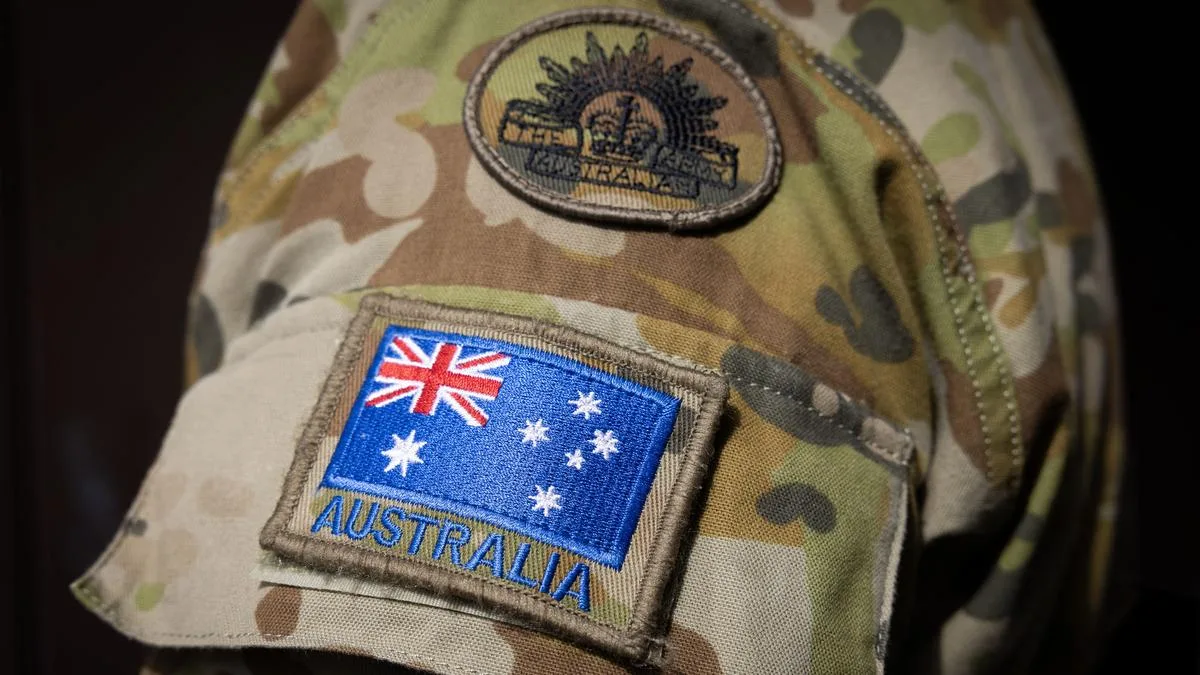
The federal government is steadfastly refusing to disclose to the Australian public whether it has covertly deployed the nation's most elite special forces soldiers to the ongoing conflict in the Middle East. This stance adheres to a long-established tradition of keeping the movements of the Special Air Service (SAS) strictly confidential and top secret, sparking debates over transparency and national security.
Reports Suggest SAS Troops on Standby in UAE
A recent investigative report indicates that approximately 90 highly trained SAS troops were dispatched to the Middle East around two weeks ago, with their likely destination being Al Minhad Air Base in the United Arab Emirates. These elite soldiers are reportedly on high alert and standby, prepared to assist in the evacuation of Australian citizens from the region if the situation deteriorates and emergency extraction becomes necessary.
When questioned by media outlets, Defence Minister Richard Marles neither confirmed nor denied the allegations, stating emphatically, "We do not comment on the movements of our special forces." This response underscores the government's unwavering commitment to operational secrecy, even as public curiosity and concern mount over potential military engagements abroad.
Historical Context and Political Reactions
Former SAS leader Bob Hunter highlighted the unit's extensive history of safeguarding Australians trapped in volatile conflict zones worldwide. "That's precisely what they do. They prepare for such scenarios continuously," he remarked, referencing past operations in Cambodia during 1997, East Timor, and various Pacific regions where the SAS has executed critical rescue and support missions.
In contrast, the Greens party has voiced strong criticism, with Senator David Shoebridge arguing that the deployment claims reveal underlying governmental apprehensions. "Firstly, they anticipate conditions worsening in the region. Secondly, they are withholding information from the Australian public regarding their strategic intentions," Shoebridge asserted, calling for greater accountability and openness in defence matters.
Government Clarifies Limited Defensive Role
The government has firmly pushed back against suggestions of broader military involvement in the Middle East conflict. Minister Marles clarified, "We are not deploying boots on the ground in Iran. This is not a conflict in which Australia is directly participating." He further explained that Australia's role is confined to providing defensive support to the United Arab Emirates, emphasizing the limited scope of current operations.
Already, Australia has contributed its advanced early warning aircraft, the E-7 Wedgetail, along with about 85 personnel, to aid in defending the UAE. Senator Shoebridge noted, "This aircraft has consistently supplied crucial targeting intelligence to the US Central Command, indicating a deeper level of involvement than publicly acknowledged." He added, "This engagement clearly constitutes part of Australia's military footprint in the region."
Potential Implications and Regional Developments
While any SAS deployment is likely precautionary and defensive in nature, the government's distinction about avoiding active combat could become increasingly challenging to uphold. Recent reports suggest that the United Arab Emirates is now considering joining military actions in the area, potentially escalating tensions and complicating Australia's stated defensive posture.
As the situation evolves, the balance between operational secrecy and public transparency remains a contentious issue, with ongoing debates about the extent of Australia's military commitments and the ethical obligations of informing citizens during times of international crisis.