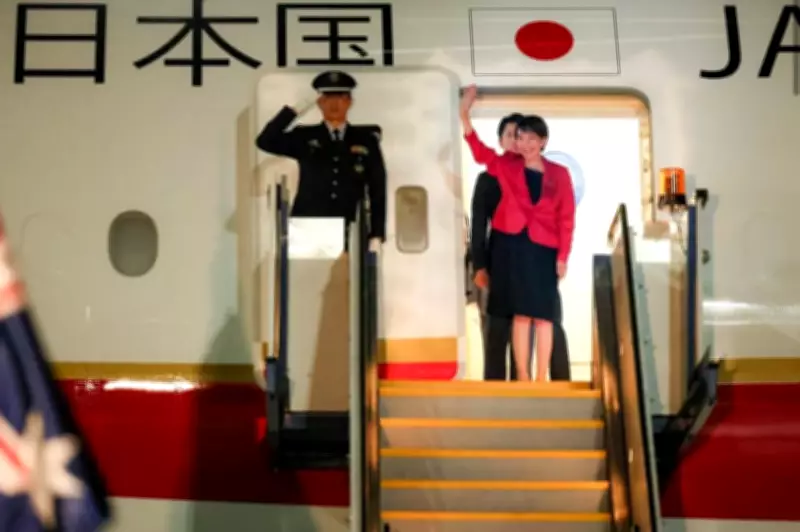
Japanese Prime Minister Shigeru Ishiba's upcoming visit to Australia is set to proceed without any substantive discussions regarding a contingency or backup plan for the AUKUS security pact, according to multiple sources familiar with the itinerary.
No Alternative Framework on Agenda
Despite ongoing speculation in strategic circles about the need for alternative arrangements should the AUKUS submarine deal face delays or complications, the Japanese leader's schedule in Canberra has been deliberately framed around existing bilateral cooperation and the current trilateral framework involving Australia, the United Kingdom, and the United States.
Senior Australian government officials have confirmed that the visit, scheduled for mid-May, will focus on deepening economic ties, regional security cooperation, and reaffirming commitment to the AUKUS pillars. However, the notion of a 'Plan B' for AUKUS involving Japan has been explicitly ruled out from the official agenda.

Strategic Context
The decision not to discuss a backup plan comes amid growing questions over the timeline for delivering nuclear-powered submarines to Australia under the AUKUS partnership. Some analysts have suggested that Japan's advanced submarine capabilities could serve as a bridging option. Yet, diplomatic sources indicate that Tokyo is not seeking to insert itself into the core AUKUS architecture at this stage.
Instead, the Japanese Prime Minister is expected to announce new initiatives in areas such as cybersecurity, critical minerals supply chains, and joint military exercises. These are seen as complementary to AUKUS rather than a substitute.
Reactions and Analysis
Strategic experts have noted that while Japan remains a key regional partner for Australia, any discussion of a formal AUKUS backup would require delicate negotiations and could complicate existing alliances. The Australian government has consistently stressed that AUKUS is on track, despite recent reports of technical hurdles and cost overruns.
Opposition figures have criticized the government for not exploring alternative options more vigorously. However, the Prime Minister's office has dismissed such calls, emphasizing that the AUKUS agreement is robust and that Japan's role is best focused on other areas of cooperation.
The visit underscores the deepening strategic alignment between Australia and Japan, but also highlights the limits of Japan's involvement in the Anglo-centric AUKUS pact. For now, the message from both capitals is clear: no backup plan is on the table.