Richard Marles at the Forefront of Australia's Defence Strategy in Trump Era
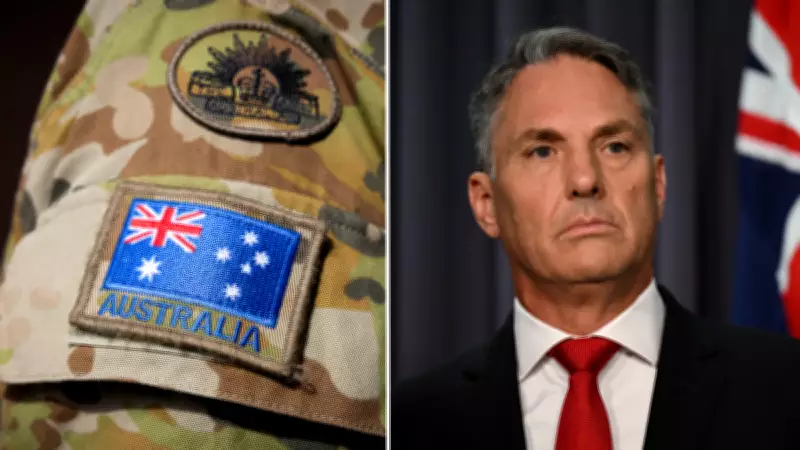
Throughout the tumultuous first year of the second Trump Administration, few Australians have held a position as elevated or influential as Richard Marles. As Deputy Prime Minister and Defence Minister, he has been instrumental in steering Australia's foundational security relationship with the United States, a role that has grown increasingly critical as President Donald Trump disrupts the long-standing global order that has underpinned prosperity for much of the world, including Australia.
High-Level Engagements with US Leadership
Marles operates directly with key figures in the Trump Administration, notably Defence Secretary Pete Hegseth and Secretary of State Marco Rubio. His engagements began early, with a meeting in February last year marking Hegseth's first foreign counterpart discussion as Defence Secretary. This was followed by a trip to Washington in August for talks with Hegseth, Rubio, and Vice President J.D. Vance, setting the stage for Prime Minister Anthony Albanese's subsequent visit.
These discussions often revolve around contentious issues involving substantial taxpayer funds, highlighting the high stakes of Australia's defence commitments.

Defence Spending Demands and AUKUS Agreement
At a mid-year meeting in Singapore, Hegseth conveyed the Trump Administration's expectation for Australia to significantly boost defence spending to 3.5 per cent of gross domestic product. Achieving this target would inject billions of additional dollars into Canberra's defence budget, a move Marles describes as "actually not so new," noting that the US has long urged allies to shoulder a greater security burden.
Central to these talks is the $368 billion AUKUS agreement, which promises nuclear-powered submarines from the US and UK. Initially uncertain under Trump's review, the deal has since received endorsement. Marles remains unwavering in his support for AUKUS, viewing it as essential for Australia's defence capabilities.
Marles' Unyielding Commitment to AUKUS
In an interview with the 7NEWS podcast The Issue, Marles emphasized the importance of nuclear-powered submarines, stating they are "more than any other platform that we have, the one which would give any adversary to Australia pause for thought." He framed AUKUS as "the biggest industrial project in our country's history" and a leap in military capability comparable to the establishment of the Navy in 1913.
Addressing critics, Marles argued that opposing AUKUS equates to abandoning the project entirely, given the multi-decade effort required for submarine construction. He stressed the necessity of "staying the course" to maintain Australia's security interests.
Enduring Alliance with the United States
Marles reaffirmed the enduring significance of the Australia-US alliance, describing it as "fundamentally important to Australia and remains as important, if not more important than it has ever been." His role underscores Australia's ongoing reliance on this partnership amidst global shifts, ensuring strategic stability and defence preparedness for the future.