
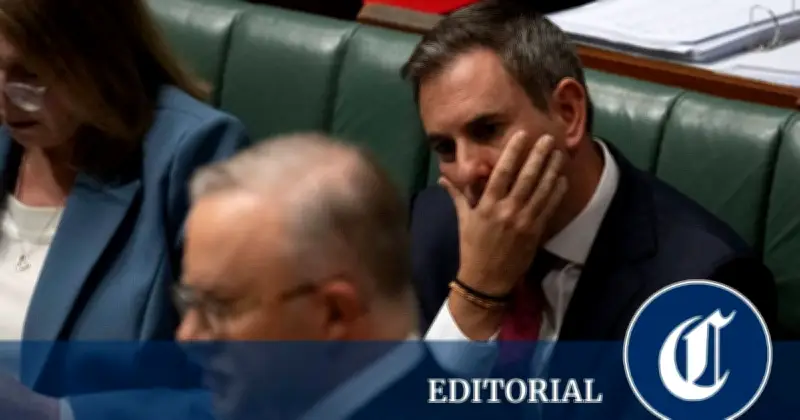
The Albanese government has performed a significant backflip on key tax measures that were set to be included in the upcoming federal budget, according to reports from Canberra. Treasurer Jim Chalmers and Prime Minister Anthony Albanese have reconsidered several tax policies, marking a notable shift in their fiscal strategy.
Reversal on Tax Reforms
The government had previously signaled plans to introduce new taxes and adjust existing ones as part of a broader budget reform. However, faced with mounting pressure from industry groups and political opponents, the leadership has decided to abandon or modify these proposals. Among the measures reversed are changes to capital gains tax and negative gearing, which were expected to generate significant revenue but also drew criticism for potentially harming the housing market.
Details of the Backflip
According to sources within the government, the decision to backtrack was driven by concerns about economic stability and the potential impact on homeowners and investors. The original proposals aimed to address housing affordability and budget deficits, but the government now argues that the timing is not right for such sweeping changes. Instead, they will focus on targeted measures to support low-income earners and first-home buyers.

Political Reactions
The opposition has seized on the backflip, accusing the government of incompetence and a lack of clear economic direction. Shadow Treasurer Jane Hume called the reversal a sign of weakness, stating that the government cannot be trusted to manage the economy. Meanwhile, crossbench MPs have expressed disappointment, arguing that the government missed an opportunity to implement meaningful reform.
Economic Implications
Economists are divided on the implications of the backflip. Some argue that the reversal is prudent, given the uncertain global economic outlook and the need to avoid disrupting the property market. Others contend that the government has caved to vested interests and failed to show the necessary courage to tackle structural fiscal challenges. The budget, due to be handed down in May, is now expected to contain fewer controversial measures, with a greater emphasis on cost-of-living relief and infrastructure spending.
Next Steps
Prime Minister Albanese has defended the decision, stating that the government is listening to the concerns of Australians and will deliver a budget that is responsible and fair. Treasurer Chalmers has indicated that further details will be released in the lead-up to the budget, but has not ruled out further changes. The backflip has raised questions about the government's overall economic strategy and its ability to navigate the complex political landscape.