Andrew Greene Accuses Prime Minister of Hesitating and Downplaying Public Fears
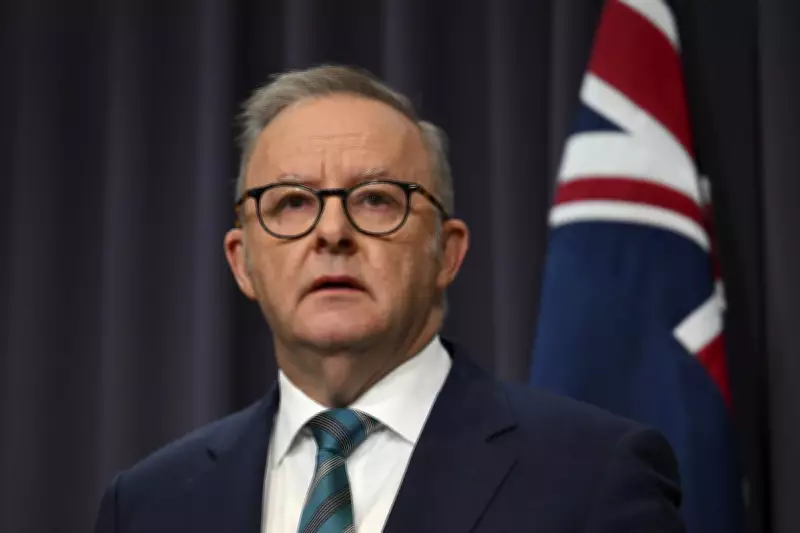
In a sharp critique of federal leadership, political analyst Andrew Greene has publicly accused the Prime Minister of being hesitant and playing down public fears for an extended period. This criticism comes amid growing concerns over a national crisis, with Greene suggesting that the government's response has been inadequate and slow to address the anxieties of Australian citizens.
Delayed Response and Public Anxiety
According to Greene, the Prime Minister's approach has involved minimizing the severity of the situation, which he argues has only exacerbated public worry. "The hesitation to act decisively and the tendency to downplay fears have left many Australians feeling uncertain and unprotected," Greene stated. He emphasized that this pattern of behavior has persisted for too long, potentially undermining trust in the government's ability to manage the crisis effectively.
Impact on Federal Politics
The accusations have ignited a heated debate within federal political circles. Supporters of the Prime Minister defend the cautious approach as necessary for balanced decision-making, while critics, like Greene, contend that it reflects a lack of urgency and empathy. This controversy highlights broader tensions in Australian politics regarding leadership styles and crisis management.

Key points raised by Greene include:
- The Prime Minister's reluctance to acknowledge the full scope of public concerns.
- A perceived delay in implementing robust measures to address the crisis.
- The potential long-term consequences for public confidence in governmental institutions.
Broader Implications for Governance
Greene's comments underscore a critical issue in contemporary governance: the balance between reassurance and transparency during times of uncertainty. He argues that by downplaying fears, leaders risk alienating the public and failing to mobilize collective action. "Effective leadership requires not just managing a crisis but also addressing the emotional and psychological needs of the people," he added.
This situation serves as a reminder of the challenges faced by political leaders in navigating complex issues while maintaining public trust. As the debate continues, it remains to be seen how the Prime Minister will respond to these criticisms and whether adjustments will be made to better align with public expectations.