RBA Governor Points to Government Expenditure as Inflation Driver
Reserve Bank of Australia Governor Michele Bullock has explicitly confirmed that government spending is exerting significant pressure on inflation. This statement comes as the Albanese government actively searches for savings in its upcoming federal budget, aiming to address economic challenges.
Senate Inquiry Highlights Fiscal Impact
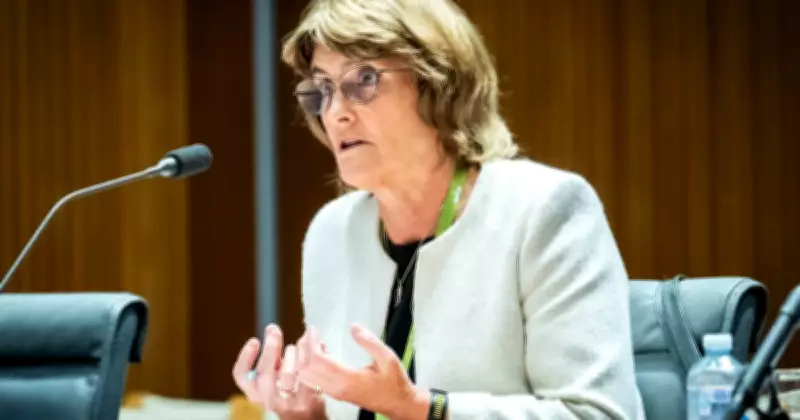
Ms Bullock appeared before a Senate inquiry on Friday to clarify the RBA board's recent decision to increase interest rates. This move marks the first rate hike in over two years, prompted by an unexpected surge in inflation figures.
When questioned about the role of government spending in the rate rise, Governor Bullock described it as a "mathematical fact" that such expenditure contributes to aggregate demand within Australia's market. With supply constraints already limiting capacity, this additional demand directly fuels inflationary pressures.

"If we are at capacity and we've got capacity constraints, then anything that adds to aggregate demand adds to those capacity constraints, be it public or private, it's a fact," Ms Bullock emphasised during the inquiry.
Government Spending at Historic Highs
Federal government spending currently stands at 26.9 percent of gross domestic product for the 2025-26 period. Excluding the extraordinary circumstances of the COVID-19 pandemic, this represents the highest level since 1986, highlighting the scale of fiscal intervention.
Governor Bullock clarified that while the government determines how to allocate taxpayer funds, the RBA incorporates these decisions as given factors when establishing interest rate policies. She distinguished between monetary policy, which manages economic cycles through interest rates and money supply, and fiscal policy, which involves longer-term government spending and taxation strategies.
"Monetary policy is best placed to manage the cycle, and fiscal policy is a much longer run concept," Ms Bullock explained. "It's about what governments and ultimately, the electorate and the people judge is important to them, and that is something that goes over a number of years."
Federal Responsibility and Budgetary Measures
Although state and territory governments also contribute to inflation pressures, Parliamentary Budget Office data reveals that the federal government accounts for approximately three-quarters of total government spending nationwide. The PBO has calculated that the Albanese government's spending decisions since its 2022 election amount to $142.1 billion over seven years through to 2028-29.
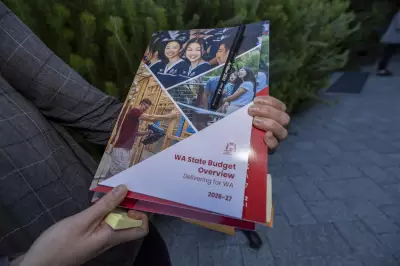
With economists warning that further interest rate increases may be necessary if inflation remains unchecked, the government is implementing several cost-cutting initiatives. These include:
- Directing Australian public service agencies to identify the 5 percent lowest priority expenditures within their budgets
- Considering a proposal to reduce the capital gains tax discount for property investors from 50 percent to 25 percent
Political Debate Intensifies
The opposition has criticised the Albanese government following the RBA board's decision to raise the cash rate by 25 basis points to 3.85 percent. Treasurer Jim Chalmers highlighted that the RBA's official statement did not mention government spending, instead attributing inflationary pressure to private demand.
"The statement released by the independent Reserve Bank explaining the decision that they have taken today does not mention government spending," Dr Chalmers stated on Tuesday. "In fact, it makes it very clear that the pressure on inflation is coming from private demand."
Shadow Treasurer Ted O'Brien challenged this interpretation during parliamentary question time on Thursday, accusing Dr Chalmers of selectively presenting Governor Bullock's comments to support the government's position.
As economic discussions continue, the intersection of monetary and fiscal policy remains central to Australia's approach to managing inflation and supporting sustainable economic growth.