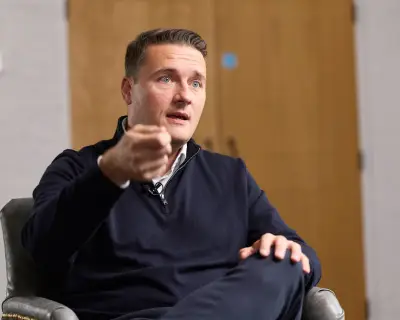

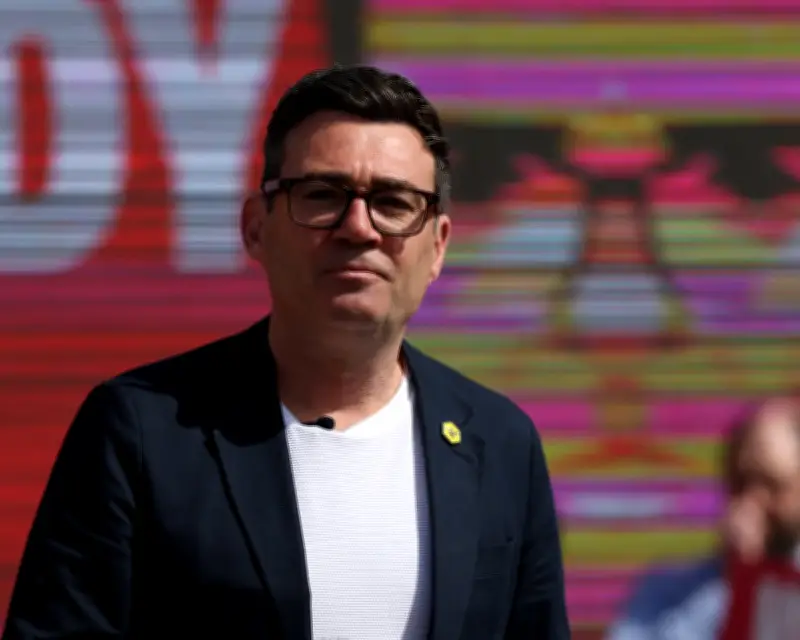
Andy Burnham, the Labour candidate for the Makerfield byelection, has declared that Thames Water should be nationalised, revealing that public ownership of water companies would be an option under his potential leadership of the Labour party. Burnham, who is also the Mayor of Greater Manchester, has previously called for greater public control over water firms. In an exclusive interview with the Guardian, he confirmed that this could mean full nationalisation.
"Public ownership is absolutely an option," Burnham said. "I would say for Thames Water, that is what should be done." The Manchester mayor has been sharpening his political offer ahead of a possible leadership contest, should he win the byelection on 18 June. The Guardian understands that Burnham has met with water campaigners, including former Undertones frontman Feargal Sharkey, a vocal advocate for water nationalisation.
Privatised Water Companies Under Fire
Privatised water companies in England have been criticised for widespread pollution of rivers and seas, while failing to invest in infrastructure, contributing to recent water shortages. Many firms are loaded with debt, while shareholders have received billions in dividends. In contrast, Scotland has a nationalised water system, and Wales operates its sole water company as a not-for-profit entity.

Thames Water, England's largest water company serving about a quarter of the population, has been privatised since Margaret Thatcher's era. Successive venture capital owners have burdened it with approximately £20 billion in debt, bringing it close to collapse. The government is now deciding whether to place it into special administration—a form of temporary nationalisation—or accept a creditor deal that would write off up to £1 billion in fines for illegal pollution. If the deal proceeds, the company would be partly controlled by billionaire Trump donor and hedge funder Paul Singer.
Burnham's Criticism of Water Industry
Burnham highlighted the impact on consumers in the Makerfield constituency, served by United Utilities, one of the worst-polluting companies. "People have experienced hefty hikes in their bills. The profits of the water company have almost doubled, if not doubled," he said. "The industry is run predominantly in the private interest rather than the public interest. Shareholders can never lose, and bill payers never win." He also proposed banning bill rises by cancelling dividends of companies that increase bills beyond a certain level, funding this by "running the industry differently" to prevent excessive profiteering.
Government Response and Slow Progress
Prime Minister Keir Starmer promised during the 2024 election campaign to "end the Tory sewage scandal" and clean up water companies, but progress has been slow. Ministers have declined to nationalise the sector, claiming it would be too expensive, and have spent nearly two years consulting on a new regulator, which will not be in place until 2029. The government also attempted to ban bonuses for CEOs and CFOs of failing water companies, but loopholes have allowed them to receive millions despite record sewage dumping. Burnham said he would "certainly support" banning bonuses for entire leadership teams, not just top executives.
Feargal Sharkey's Disappointment
Sharkey, who campaigned for Starmer in 2024, expressed disappointment with the lack of action. "If the party does not get a grip on this issue, then I am not sure the party has a future," he said. He criticised Starmer's record: "Two years later and nothing but stagnation, futility and non-delivery." The government has defended its stance, arguing that nationalisation would cost £100 billion to compensate private-sector creditors and shareholders. However, experts dispute this figure, noting that ministers might not be legally required to compensate creditors given the company's financial state and their past profits.

Burnham agreed with Sharkey, stating: "The great Feargal Sharkey is perhaps the most prominent voice on this matter. He has identified the billions and billions siphoned out of the water industry without that money going back into infrastructure. You can draw a parallel with railways and energy. We've allowed this to happen over four decades, where a small number have made a lot of money, while the vast majority pay more for poorer service." Sharkey has also called for criminal consequences for water company CEOs who repeatedly illegally pollute. The government has said it would jail water bosses, but only for failing to comply with Environment Agency investigations, not for the pollution itself. Burnham said: "I certainly would support criminal consequences for people who fail to deal with sewage spills. If people wilfully ignore their responsibilities, they should face serious consequences. The public are rightly furious. We must draw a line and say the public interest must predominate over private interest."