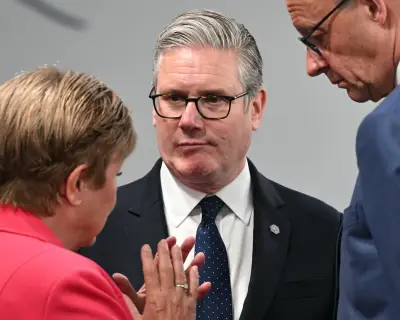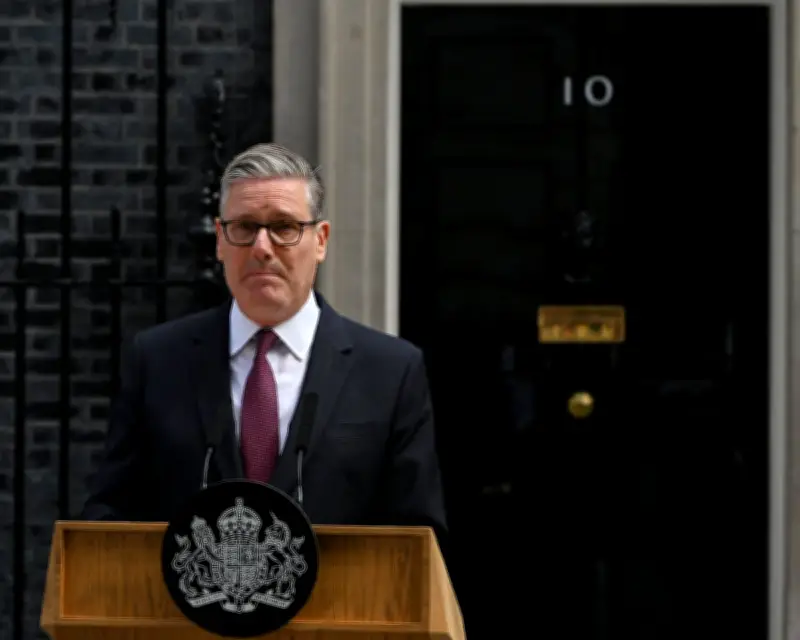
Sir Keir Starmer has resigned as UK prime minister in an emotional address outside Downing Street, paving the way for Andy Burnham to become Labour leader and the next prime minister. The announcement, made on Monday morning, comes after months of speculation about Starmer's future amid internal party divisions and declining public approval ratings.
Starmer's Emotional Farewell
Fighting back tears, Starmer told the nation that the decision was "the hardest of my life" but that he believed it was time for a fresh start. "I have given everything to this country and to this party, but I know that new leadership is needed to take us forward," he said. The 62-year-old cited the strain of leading the country through economic turbulence and the cost-of-living crisis as factors in his decision.
Starmer's resignation ends a tenure marked by early promise after Labour's landslide victory in 2024 but later plagued by internal rebellions and policy U-turns. His government's approval ratings had slumped to 32% in recent polls, according to YouGov.

Burnham Emerges as Successor
Andy Burnham, the mayor of Greater Manchester and a former Labour leadership candidate, is now expected to be elected unopposed as party leader. A senior Labour source confirmed that Burnham had secured the backing of a majority of MPs and trade unions. "Andy is the unity candidate the party needs," the source said.
Burnham, 55, has long been seen as a standard-bearer for the party's left, but he has also cultivated a moderate image as mayor. His handling of the Manchester Arena bombing aftermath and transport improvements have earned him cross-party praise.
Political and Public Reaction
Conservative leader Rishi Sunak described Starmer's resignation as "an admission of failure" and called for a general election. "The Labour government has let the British people down," Sunak said in a statement. However, under the Fixed-term Parliaments Act, a change of prime minister does not automatically trigger an election.
Political analysts say Burnham's ascent could shift Labour's focus toward regional devolution and public services. "Burnham represents a different kind of Labour politics—more grounded in local governance and less Westminster-centric," said Professor Rosie Campbell of King's College London.
Public reaction has been mixed. A snap poll by Opinium found 41% of voters approved of Starmer's resignation, while 38% disapproved. Burnham's approval rating stood at 48% among Labour supporters.