Coalition Crisis Deepens as 'Nothing Ruled Out' for Mooted Reunion
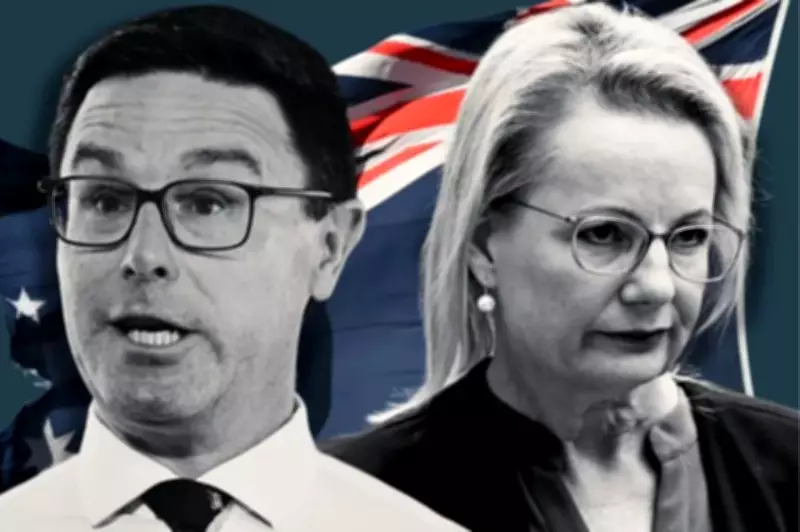
The Australian political landscape is once again in flux as the Coalition grapples with a deepening internal crisis, with senior figures now openly discussing the possibility of a reunion. In a significant development, sources close to the negotiations have revealed that 'nothing is ruled out' when it comes to mending the fractured alliance between the Liberal and National parties. This statement underscores the high stakes involved as both sides navigate complex political dynamics and public scrutiny.
Background of the Coalition Turmoil
The Coalition, a long-standing partnership in Australian federal politics, has been facing mounting pressures in recent months. Disagreements over policy direction, leadership styles, and electoral strategies have led to visible strains, prompting speculation about its future viability. The current crisis has been exacerbated by a series of public disagreements and behind-the-scenes maneuvering, which have left many observers questioning whether the traditional alliance can survive in its current form.
Amid this backdrop, the idea of a reunion has gained traction among certain factions within both parties. Proponents argue that a unified Coalition is essential for presenting a strong alternative to the current government, particularly in light of upcoming electoral challenges. However, critics warn that any reunion must address the underlying issues that led to the rift, or risk repeating past mistakes.

Key Players and Their Stances
Several high-profile figures have been at the centre of these discussions, each bringing their own perspectives to the table. Senior Liberals have expressed cautious optimism about the potential for reconciliation, emphasising the need for compromise and shared goals. Meanwhile, National Party representatives have highlighted the importance of maintaining their distinct identity and policy priorities, even within a reunited Coalition.
- One insider noted that the talks are still in early stages, with no formal proposals on the table yet.
- Another source suggested that the reunion could involve structural changes to how the Coalition operates, potentially giving more autonomy to each party.
- There is also talk of setting up a joint committee to oversee the process and ensure transparency.
Despite these efforts, significant hurdles remain. Historical grievances, personality clashes, and divergent views on key issues such as climate change and economic policy continue to pose challenges. The phrase 'nothing is ruled out' reflects a willingness to explore all options, but it also hints at the uncertainty and complexity of the situation.
Implications for Australian Politics
If a reunion does materialise, it could have far-reaching consequences for the Australian political scene. A stronger, more cohesive Coalition might bolster opposition efforts and shift the balance of power in Parliament. Conversely, if the talks fail, it could lead to further fragmentation and weaken the conservative bloc, potentially opening the door for other political movements to gain ground.
Public reaction has been mixed, with some voters welcoming the prospect of stability and others expressing skepticism about the motives behind the reunion. Political analysts are closely watching the developments, noting that the outcome could influence not only the next election but also the long-term trajectory of Australian governance.
In summary, the Coalition crisis is at a critical juncture, with the mooted reunion representing both an opportunity and a risk. As discussions continue, all eyes will be on how the parties navigate this delicate process and whether they can find common ground in the face of mounting pressures.