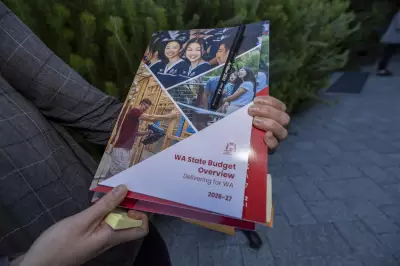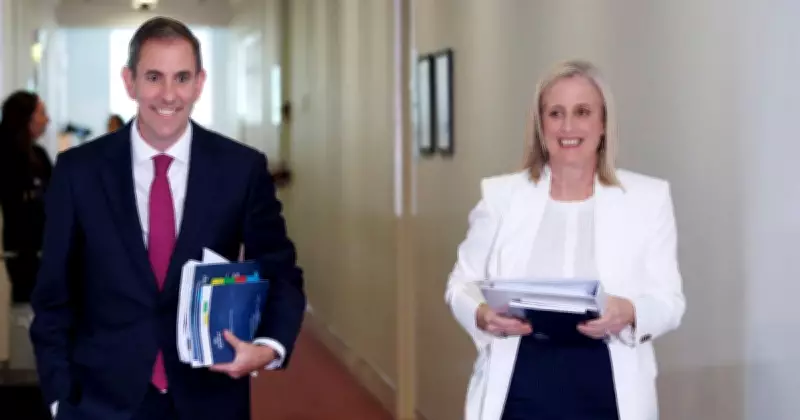
The Australian government has released its 2026-27 federal budget, detailing significant spending changes that will impact various sectors and demographics. The budget, delivered by Treasurer Jim Chalmers, aims to balance fiscal responsibility with targeted investments.
Key Winners
Healthcare emerges as a major winner, with an additional $5 billion allocated to Medicare and hospital funding. The budget also includes $2 billion for mental health services and $1.5 billion for aged care reforms.
Education receives a boost with $3 billion for early childhood education and $2 billion for schools in disadvantaged areas. University research funding sees an increase of $1 billion.

Defence spending rises by 10%, reaching $50 billion, with investments in cybersecurity and naval capabilities.
Infrastructure projects gain $15 billion for roads, rail, and renewable energy grids, particularly in regional areas.
Other Beneficiaries
- Small businesses: Tax cuts and grants worth $2.5 billion.
- First Nations communities: $1 billion for Closing the Gap initiatives.
- Climate action: $4 billion for renewable energy and emissions reduction.
Key Losers
Welfare recipients face tightened eligibility criteria for the JobSeeker payment, saving $1.2 billion over four years. The government argues this encourages workforce participation.
Public service jobs are cut by 5,000 positions through natural attrition, reducing administrative costs by $800 million annually.
Higher education students will see a 2.5% increase in HECS indexation, adding to student debt burdens.
Environmental groups criticise continued fossil fuel subsidies, which remain at $10 billion per year, despite climate pledges.
Other Impacts
- Medicare levy surcharge thresholds remain unchanged, affecting higher-income earners.
- Tobacco excise rises by 5% annually, increasing costs for smokers.
- Fuel excise indexation resumes, adding 2 cents per litre to petrol prices.
The budget projects a deficit of $25 billion for 2026-27, improving to a surplus of $5 billion by 2029-30. Economic growth is forecast at 2.5%, with unemployment steady at 4.2%. Inflation is expected to remain within the RBA target band of 2-3%.
Opposition Leader Peter Dutton criticised the budget as 'out of touch', particularly on cost-of-living pressures. The government defends its approach as responsible and targeted.