Federal Government Announces Major Fuel Excise Cut to Combat National Crisis
The Commonwealth Government has unveiled a significant emergency measure to address the escalating fuel crisis across Australia. In a move costing over $2.5 billion, the fuel excise on petrol and diesel will be halved for a period of three months. This decision is designed to provide immediate financial relief to motorists grappling with soaring fuel costs.
Immediate Savings for Motorists
Starting this Wednesday, drivers will save 26.3 cents per litre at the pump. For a typical small sedan, this translates to approximately $12 per tank, while owners of twin cab utes could save around $21 per fill-up. Additionally, the heavy vehicle road user charge will be suspended for the same three-month duration, offering further support to commercial transport sectors.
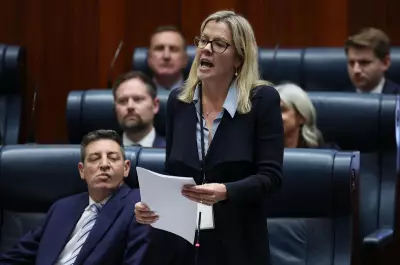
Treasurer Jim Chalmers emphasised the temporary and responsible nature of this relief, stating, "This relief is temporary, it's timely and it's responsible." However, he cautioned that Australians should not expect instant price drops. Analysts predict a similar scenario to when the excise was last halved during Russia's invasion of Ukraine, where service stations only reduced prices upon receiving new fuel deliveries taxed at the lower rate, a process that could take several days.

Current Fuel Crisis Worsens
The announcement comes amid a deepening fuel shortage, with 75 service stations in New South Wales reported empty on Monday night. In Sydney, average diesel prices have surged to $3.21 per litre, while unleaded petrol sits at $2.57. Some BP stations in Sydney's east briefly saw prices exceed $2.94 for E10 and $2.96 for unleaded before adjustments were made.
Motorists expressed frustration, with one noting, "I wish the Prime Minister had announced it before I bought my petrol this morning." Another described the situation as "a bit scary."
National Cabinet's Four-Stage Crisis Plan
National Cabinet has established a comprehensive four-stage strategy to manage the crisis if the Middle East conflict persists. Phase one, Plan and Prepare, has concluded. Australia is currently in phase two, Keeping Australia Moving, which involves securing additional international fuel supplies, redirecting export fuel to the domestic market, and states publishing dashboards to track service station inventories.
Energy Minister Chris Bowen urged consumers to maintain normal purchasing habits, saying, "We are asking people to buy as much fuel as they need, as much fuel as they usually get, not more, not less."
Potential Future Measures and Industry Reactions
The final two stages of the plan involve more stringent actions, which the government hopes to avoid. Stage three includes targeted reductions in fuel usage and releases from strategic stockpiles, while stage four focuses on protecting critical services by prioritising fuel for emergency responders and promoting public transport.
Treasurer Chalmers issued a stern warning to service stations, threatening ACCC intervention if the tax cut is not passed on, stating, "The ACCC will come down on you like a tonne of bricks."
Political and industry responses have been mixed. The Coalition questioned the timing of the announcement, having called for the excise cut last week. Conversely, the NRMA opposed the measure, warning it could deplete road funding and that savings might be eroded within a week due to market fluctuations.
Calls for Broader Relief and Government Considerations
With road tolls increasing on Wednesday, there are growing demands for relief for commercial vehicles, including trucks, buses, taxis, and rideshares, similar to caps and cashbacks available to private drivers. Paul Nicolaou, Executive Director of Business Sydney, highlighted the strain on transport companies, noting, "There are talks about small and medium-sized truck companies that are struggling to survive."

NSW Premier Chris Minns acknowledged the consumer pressure but ruled out following Victoria's lead in making public transport free, explaining, "There's no such thing as free public transport. At the end of the day, someone's paying for it." The government is exploring other measures, such as reducing highway speed limits and encouraging reduced car usage, with planning underway for potential future actions, including rationing if necessary.