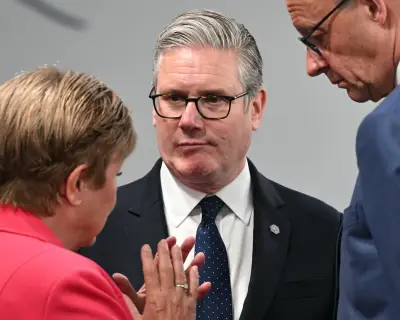

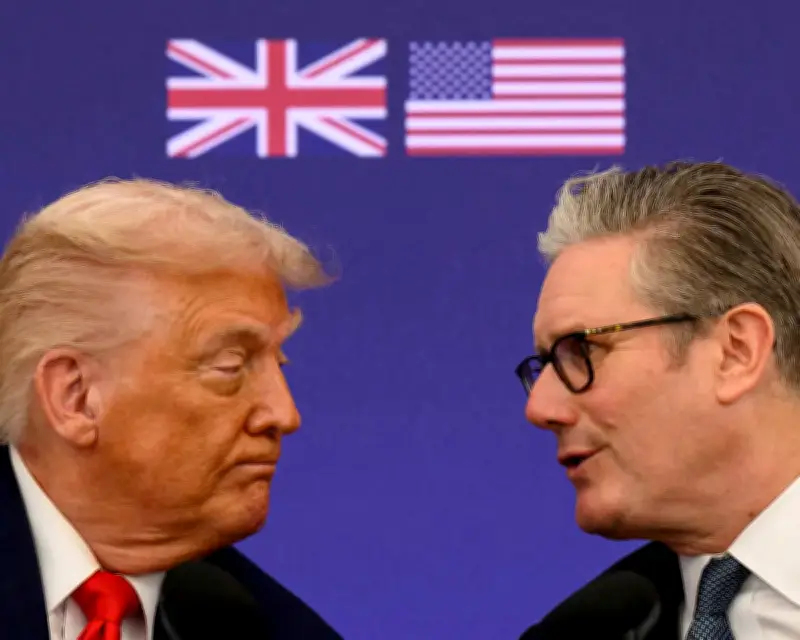
Keir Starmer's first year as prime minister has been overshadowed by the challenge of managing relations with Donald Trump, with the US president's unpredictable approach to trade, defence and diplomacy forcing Downing Street into a near-constant state of crisis management.
Trade disputes and tariff threats
The most immediate flashpoint came over trade. Trump threatened to impose tariffs on UK goods unless Britain agreed to a new trade deal that heavily favoured American interests. Starmer resisted, leading to a tense standoff that saw British exports to the US temporarily hit by 10% levies. The dispute was only resolved after Starmer agreed to increase UK imports of American agricultural products, a move that angered British farmers.
Diplomatic spats and NATO tensions
Trump's criticism of NATO allies for not spending enough on defence also strained relations. He publicly called out the UK for falling short of the 2.5% GDP target, despite Starmer's pledge to increase defence spending. At a NATO summit in Brussels, Trump reportedly refused to meet Starmer one-on-one, a snub that dominated headlines. Starmer played down the incident, saying his focus was on 'substance over style'.

Ukraine and intelligence sharing
Another critical area was Ukraine. Trump's reluctance to continue US military aid to Kyiv put pressure on Starmer to step up British support. The UK pledged an additional £2.5bn in aid, but intelligence sharing between the two countries became strained after Trump accused Britain of leaking sensitive information. Starmer denied the claim and reaffirmed the 'special relationship'.
Domestic impact and political fallout
The constant tensions with Trump have had domestic consequences. Starmer's approval ratings have dipped, with critics accusing him of being too deferential to the US. However, his supporters argue that he has navigated a difficult situation without major damage to UK interests. The prime minister has sought to balance firmness with pragmatism, avoiding outright confrontation while defending British sovereignty.
According to a senior Downing Street source, 'The PM has had to deal with a US administration that is unlike any before. He has managed to protect British jobs and security without sacrificing our values.' The source added that Starmer's approach has been to 'pick his battles' and focus on areas where the UK can influence US policy.
Looking ahead
With Trump likely to remain in office until 2028, Starmer's premiership will continue to be shaped by the transatlantic relationship. The UK is now exploring closer ties with the EU and other allies to reduce its dependence on the US. However, the 'special relationship' remains central to British foreign policy, and Starmer will need to find a way to work with Trump while maintaining UK interests.