Infrastructure Priority Loss Adds Salt to North Queensland Representation Wounds
The recent omission of critical North Queensland infrastructure projects from the national priority list has exacerbated long-standing grievances about the region's political representation, with local leaders and community members expressing deep disappointment and concern.
Key Projects Overlooked in National Assessment
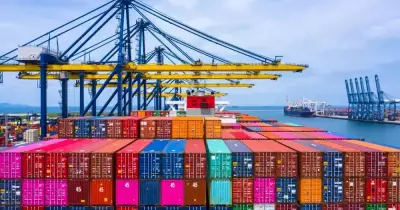
Several high-profile infrastructure initiatives in North Queensland, including upgrades to the Bruce Highway and enhancements to the Cairns Port, were notably absent from the latest Infrastructure Australia priority list. This exclusion is seen as a significant setback for the region's economic development and connectivity, which relies heavily on federal funding and support for such projects.
Local officials argue that this decision reflects a broader pattern of neglect, where North Queensland's needs are often sidelined in favor of projects in more populous southern areas. The lack of prioritization is perceived as undermining efforts to boost tourism, agriculture, and mining sectors that are vital to the local economy.

Compounding Representation Frustrations
This infrastructure snub has intensified existing wounds related to political representation in North Queensland. Many residents feel that their voices are not adequately heard at the federal level, leading to policies that do not align with regional priorities. The absence of a strong advocacy presence in key decision-making forums is cited as a contributing factor to this ongoing issue.
Community leaders have called for greater engagement and more robust representation to ensure that North Queensland's infrastructure and development needs are not overlooked in future assessments. They emphasize that without such changes, the region risks falling further behind in terms of economic growth and quality of life improvements.
Implications for Regional Development
The failure to include North Queensland projects on the priority list could have far-reaching consequences. Delays in infrastructure upgrades may hinder disaster resilience, particularly in areas prone to cyclones and flooding, and limit opportunities for job creation and investment.
- Economic impacts: Reduced funding may slow down projects essential for supporting local industries and attracting new businesses.
- Social concerns: Inadequate infrastructure can affect healthcare access, education, and community services, exacerbating regional disparities.
- Political fallout: This issue may influence voter sentiment and political dynamics in upcoming elections, as residents seek candidates who prioritize regional needs.
Moving forward, stakeholders are urging for a reassessment of how infrastructure priorities are determined, with a focus on incorporating regional perspectives and ensuring equitable distribution of resources across Australia.