Marles Stands By PM's Fuel Crisis Address as Public Criticism Mounts
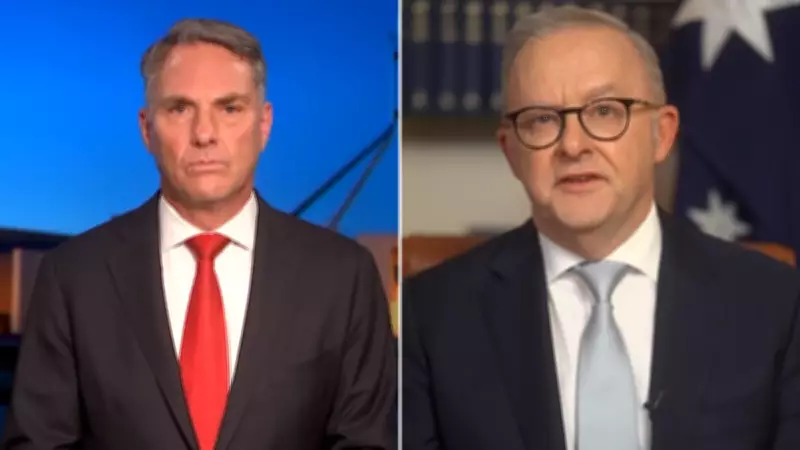
Deputy Prime Minister Richard Marles has strongly defended Prime Minister Anthony Albanese's recent national address on the escalating fuel crisis, even as frustrated viewers slammed the speech as "pathetic" and a "vanity opportunity" in messages to the Sunrise program. The Prime Minister is facing mounting criticism over Wednesday night's televised speech, with many Australians arguing it lacked crucial detail during a period of deep economic uncertainty and anxiety across the nation.
Government Acknowledges Widespread Anxiety Over Fuel Prices
Marles acknowledged the palpable anxiety being felt throughout the country, insisting the federal government had a fundamental responsibility to speak directly to Australians as the fuel supply crisis continues to unfold. "Australians have experienced the biggest shock to petrol and diesel prices ever. There is an understandable sense of anxiety out there, and uncertainty about what the future holds, and that's completely reasonable. It is uncertain what the future holds," he stated emphatically.
"It's really important that the prime minister speaks directly to the Australian people about what we are experiencing, what may come down the track, and what the government is doing, and that's exactly what the prime minister set out last night." The Deputy Prime Minister highlighted that the government's response so far, including halving the fuel excise and removing the heavy vehicle Road User Charge, had already begun to provide some financial relief for struggling households and businesses.

Coordinated Response and Public Advice Amid Supply Concerns
Marles confirmed the government is actively working to secure national fuel supplies and used the broadcast opportunity to outline practical steps Australians could take to help mitigate the situation. He suggested choosing public transport over driving to work whenever possible and advised against buying more fuel than is immediately required to prevent panic buying. "We're not shying away from the fact that what we are seeing is the biggest shock to petrol and diesel prices that we have ever seen. That's why we have taken very significant steps in terms of doing what we can to reduce those prices," he explained.
"The future is uncertain, what we are doing is working through, with the states, plans to deal with whatever eventuates." For the immediate term, Marles said the message to Australians is straightforward: "go about your business, enjoy Easter, see your family, and in that sense use your car." However, he noted that in the coming weeks, while not everyone has the ability to reduce car usage, those who can should consider it a "good step to take" to ease pressure on fuel supplies.
Crisis Deepens in Western Australia as Federal Government Backs State Measures
Marles's defence comes as the fuel crisis intensifies particularly in Western Australia, where the state government has declared a formal fuel emergency. This declaration aims to force greater transparency from suppliers and redirect critical fuel stock to struggling regional areas facing severe shortages. Marles publicly backed this move, stating the federal government is working closely with all states and territories as part of a coordinated national response to manage the situation effectively.
Prime Minister Anthony Albanese's address, which was delivered across all major television networks, urged Australians to avoid panic buying and to "think of others" as the country braces for potential months of disruption linked to the ongoing war in the Middle East and its global economic repercussions. "The months ahead may not be easy. I want to be upfront about that," Albanese warned during his speech. "No government can promise to eliminate the pressures that this war is causing. I can promise we will do everything we can to protect Australia from the worst of it."