One Nation's Polling Surge Cools as Global Instability Reshapes Voter Sentiment
The recent surge in voter support for One Nation has begun to cool, according to two new opinion polls released this week. The shift comes as ongoing global instability continues to influence the political mood across Australia, prompting a reassessment of party allegiances among the electorate.
Polling Data Reveals Decline in One Nation's Primary Vote
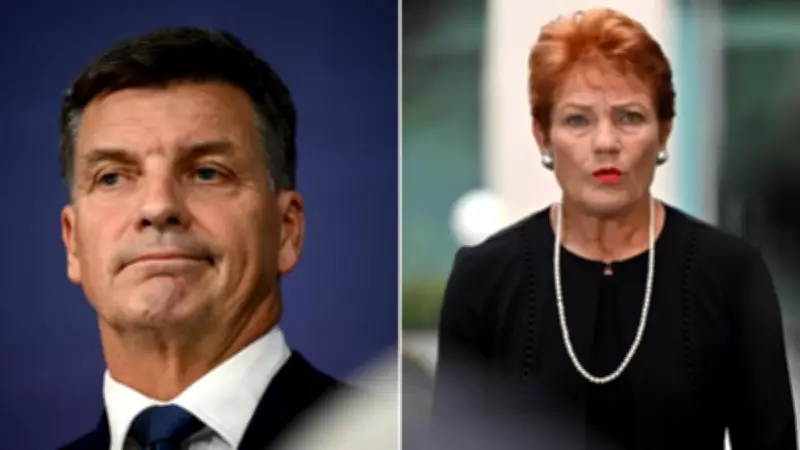
The latest Newspoll, published on Sunday, indicates that Pauline Hanson's party has experienced a notable drop in its primary vote, falling from 27 per cent to 24 per cent. This decline is mirrored in a separate Resolve survey, which records a similar softening, with support sliding from 24 per cent to 22 per cent. The dip suggests that the extraordinary rise One Nation enjoyed in recent months may be levelling out, though underlying voter frustration remains palpable.
Interestingly, the softening of support for One Nation has not translated into a boost for the major parties. According to Newspoll, Labor's primary vote remains steady at 31 per cent, while the Coalition is unchanged at 21 per cent. This stagnation highlights a broader trend of voter disenchantment with traditional political forces, as Australians continue to explore alternatives beyond the established duopoly.

Leadership Ratings and Minor Party Gains
In terms of leadership, Anthony Albanese continues to lead Angus Taylor as the preferred prime minister, holding a margin of 46 per cent to 37 per cent. However, the prime minister's personal ratings present a mixed picture, with 40 per cent of voters expressing satisfaction with his performance and 57 per cent dissatisfied. Similarly, Taylor's approval has dipped, with 33 per cent satisfied and 46 per cent dissatisfied, reflecting ongoing challenges for both leaders in connecting with the electorate.
Support for smaller parties has edged up, indicating that voters are still looking beyond the major parties for representation. The Greens have lifted their primary vote from 12 per cent to 13 per cent, while independents and other minor parties have risen from 10 per cent to 11 per cent. These gains underscore a persistent desire for diverse political voices in a time of uncertainty.
Tax Reform Proposals and Budget Anticipation
Newspoll also tested public appetite for a series of revenue-raising measures floated ahead of the May budget, though none secured majority backing. An increase to the petroleum resource rent tax attracted the strongest support at 42 per cent, while reducing property investor tax concessions was backed by 35 per cent of respondents. Cutting family trust concessions drew support from 29 per cent, and just over a quarter of voters—27 per cent—said they would favour taxing inheritances above $1 million.
On Monday, Treasurer Jim Chalmers announced that the government will reform some generational taxes, teasing a range of potential changes during a press conference. He laid the groundwork for what he described as an "ambitious" budget, emphasising intergenerational unfairness in the tax system and housing market. "We do think that there is intergenerational unfairness in the tax system and in the housing market," Chalmers stated. "I think the housing market is where some of those intergenerational issues are most obvious. So we are working through a range of options to see if we can deal with them or address them in a responsible way." He added that the government is "considering a whole range of changes in the tax system", signalling significant reforms on the horizon.
Coalition Overtakes One Nation in Resolve Poll
The Resolve poll shows the Coalition overtaking One Nation to reclaim second place on the primary vote, rising from 22 per cent to 23 per cent, while Labor lifts three points from 29 per cent to 32 per cent. This shift suggests that voters may be gravitating back toward parties with governing experience amid global turmoil.

Nationals senator Bridget McKenzie commented on the drop in support for One Nation, arguing that it is unsurprising given the current global environment. She noted that international conflict and economic shocks tend to push voters back toward established parties with expertise in economic and foreign policy. "Australians rightfully look to parties of government during periods of uncertainty," McKenzie told ABC Radio, highlighting the potential drivers behind the polling changes.
Broader Implications for Australian Politics
The latest polling numbers indicate that One Nation's surge may be moderating, but the broader voter frustration that fuelled its rise remains a significant force. With support for the major parties largely flat and the electorate continuing to look elsewhere, the political landscape remains volatile. As the government prepares its budget and debates tax reforms, these trends will likely shape policy decisions and campaign strategies in the coming months, reflecting a nation grappling with both domestic and international pressures.