Pauline Hanson's Political Comeback Sparks Questions on Leadership and Legacy
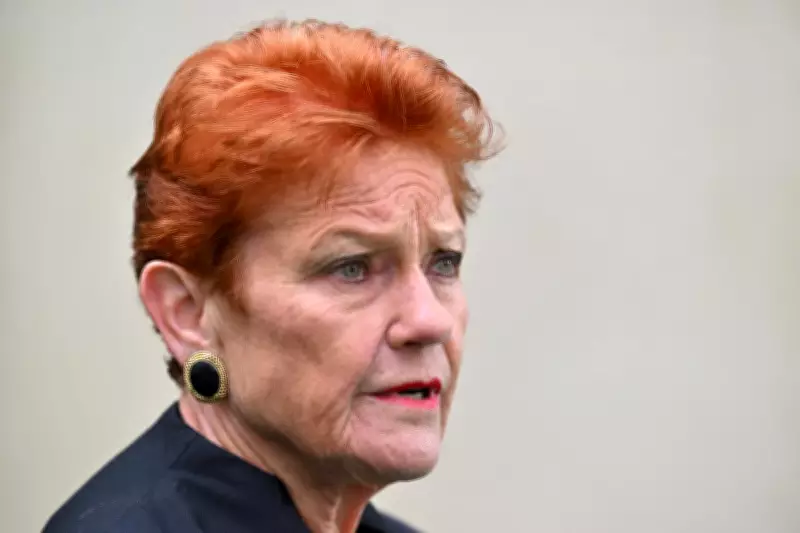
The recent dramatic rise of One Nation in opinion polls has catapulted Pauline Hanson back into the frenetic heart of Australian politics. At 71 years old, Hanson is once again a formidable political player, leading a party that has stormed in from the far-right fringes to challenge the Coalition's dominance. This surge in relevance, which has left pollsters bewildered, has intensified scrutiny around Hanson and her party, particularly focusing on the leader's age and her potential tenure in the role.
Health and Longevity in the Political Arena
In an exclusive interview for the 7NEWS podcast The Issue, Hanson addressed concerns about her physical capacity to lead. "Tim, perfect health," she declared, emphasizing her vitality. "I still run down the hallways of parliament in my heels when I have to get to the chamber for a vote. I tell you what, I'd leave a lot of those other women for dead and I'm the second eldest in that chamber." She humorously noted she would likely outpace Barnaby Joyce, the former Deputy Prime Minister who has since joined One Nation as her heir apparent. Reiterating her robustness, Hanson added, "Nothing wrong with me. The heart's still ticking. No blood pressure, nothing."
Historically, party leaders and prime ministers have often dismissed questions about their health to maintain an image of fitness for leadership. However, with polling elevating Hanson to new heights, her health and potential retirement now carry greater significance. During the interview, she alluded to this issue multiple times, forecasting that One Nation could become a party of government. "It's something that I want to leave in the hands of someone else who has the dedication and passion for this country," she stated, hinting at a future transition.

Reflections on Career and Party's Future
Hanson also reflected on her mortality and political journey, saying, "I'm getting near the end of my life. It's not about me anymore." At one point, she was more direct: "I'm at the end of my career." But she quickly qualified this, asserting, "Well, I've got a few years left in me. I will stand at the next election." Her departure from One Nation, whenever it occurs, will not be a trivial decision. The party originated from her rejection by the Liberals three decades ago, and she has rebuilt it from the ground up after what she describes as sabotage by previous leaders. "I had to fund it myself ... a lot of money to actually get it up and running again," she recalled, emphasizing her commitment to preserving the party's vision against future threats.
Controversial Comments and Political Backlash
As Hanson spoke with The Issue, she was on the verge of facing a national outcry over remarks about Muslim migration to Australia. These comments emerged from debates on whether to ban migration from regions where potential terrorists might be radicalized. Senator Fatima Payman, one of only four Muslims in federal parliament, criticized Hanson's views, telling 7NEWS that such rhetoric harms Muslim Australians. "My office has had to cop so much hatred and discrimination and just vile content, and that's because certain politicians choose to continue that rhetoric," Payman said. She added pointedly, "I'd tell Pauline Hanson that if she doesn't like how things are here in Australia then she can really pack her bags and go to the US and continue being best buds with Trump."
Looking Ahead: Ambitions and Uncertainties
Despite the controversy, Hanson shows no signs of relocating to the United States. However, there are indications she is contemplating her eventual exit from Australian politics. With One Nation's polling surge and her confirmed candidacy in the next election, the party's trajectory remains a focal point. As Hanson navigates questions of health, legacy, and leadership, her influence continues to shape the political landscape, underscoring the volatile nature of Australian politics in an era of shifting allegiances and heightened public discourse.