SA Cannabis Party Unveils Mock Dispensary Model Amid Medical Opposition
SA Cannabis Party Shows Mock Dispensary, Faces Medical Opposition

SA Cannabis Party Unveils Mock Dispensary to Push Legalisation Model

The Legalise Cannabis South Australia Party has publicly revealed a detailed mock-up of what a regulated cannabis dispensary could resemble if the drug is legalised in the state. This demonstration aims to showcase a potential retail setup, but it has been met with firm opposition from medical leaders who remain skeptical about recreational use.

Mock Store Demonstrates Regulated Operations

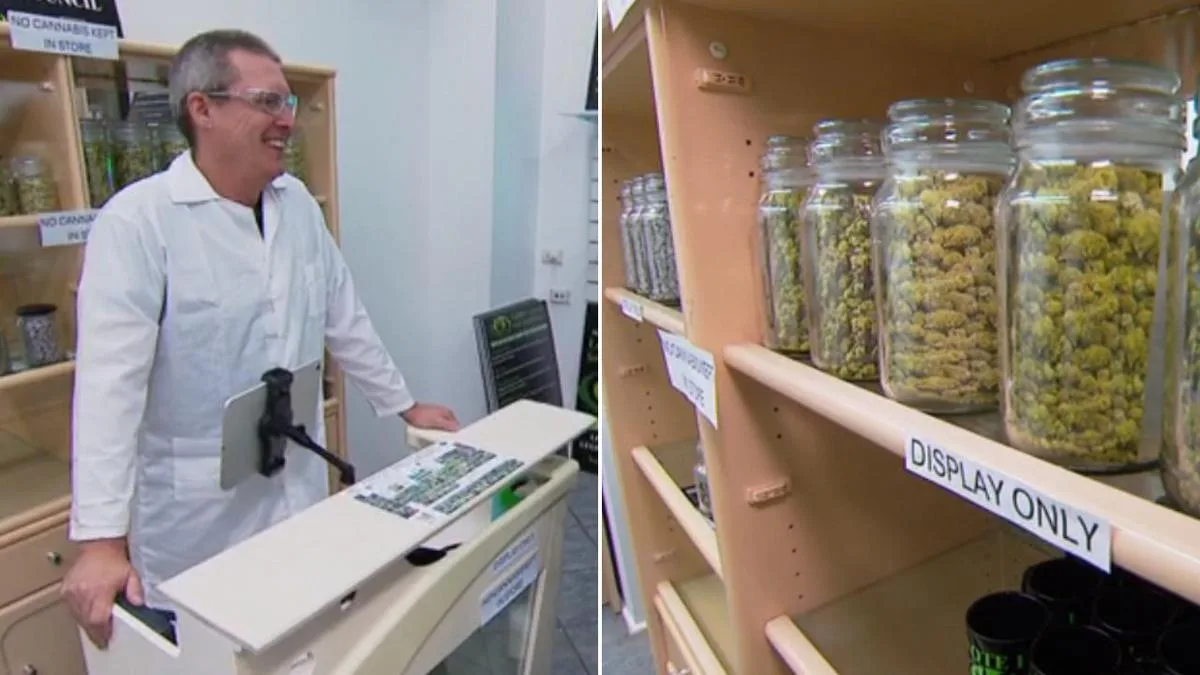
In a staged event, the party created a mock retail environment to illustrate how a licensed cannabis store might function. The model includes strict entry protocols, with access restricted to customers aged 18 and over who must present valid identification. According to the party, this approach mirrors systems already successfully implemented in various countries overseas, providing a tangible example of how regulation could work in practice.

Lead candidate Jessica Nies emphasized the benefits, stating, "We're showing exactly how it works in other countries — and the benefits the entire state can achieve." She highlighted that the proposed scheme could generate an estimated $1 billion in state revenue over four years if cannabis were sold legally. Nies argued that this revenue could be reinvested into critical public services, such as infrastructure, roads, schools, and hospitals, potentially boosting the state's economy and social programs.

Medical Opposition and Safety Concerns

Despite the party's optimistic projections, medical leaders have expressed strong reservations. The Australian Medical Association acknowledges that cannabis has a legitimate role in treating certain medical conditions but maintains its stance against recreational use. AMA SA president Peter Subramaniam commented, "We want the safe use of cannabis. The only way that's going to happen is with strong medical regulation." This position underscores ongoing concerns about health risks and the need for controlled access rather than broad legalisation.

Legalise Cannabis campaign manager Jason Meotti countered these concerns by arguing that legalisation is not something to fear. He pointed out that many South Australians already use cannabis, and the state would benefit from moving the drug from unregulated street markets into a tightly controlled, legal framework. This, he claims, would enhance safety and reduce illicit activities.

Political Responses and Future Implications

The proposal has also drawn criticism from political figures. Premier Peter Malinauskas dismissed the pitch, emphasizing that the government's primary focus is on keeping young people healthy and active, rather than exploring cannabis legalisation. This highlights the broader political divide on the issue, with the party pushing for progressive change while established leaders prioritize existing health policies.

As the debate continues, the mock dispensary serves as a focal point for discussions on drug policy reform in South Australia. The party's efforts to model overseas systems aim to build public support by demonstrating practical implementation, but significant hurdles remain due to medical and political opposition. The outcome could influence future elections and policy decisions regarding cannabis regulation in the region.