SA Nationals Pressure Labor to Unveil Firearms Policy and Denounce Buyback Plans
The South Australian Nationals have issued a strong demand for the Labor government to publicly release its firearms policy, while firmly rejecting any proposed gun buyback schemes. This call comes amid ongoing debates over firearm regulations in the state, with the Nationals emphasizing that children under the age of 18 should retain the ability to hold a gun licence for activities such as hunting and target shooting.
Key Demands from the SA Nationals
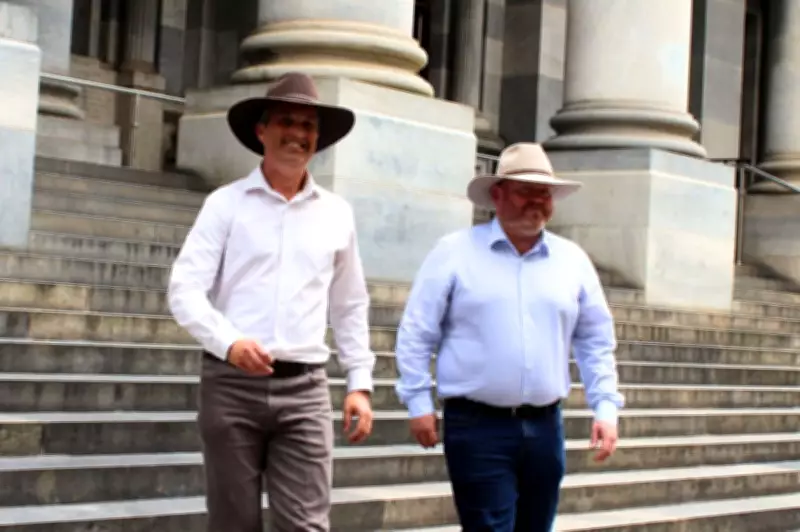
SA Nationals candidate Rikki Lambert and state president Jonathan Pietzsch have been vocal in their stance, arguing that transparency is crucial for informed public discussion. They assert that Labor's delay in revealing its policy creates uncertainty for gun owners and communities reliant on firearms for recreational and agricultural purposes.
- Release of Policy: The Nationals insist that Labor must disclose its firearms strategy to allow for proper scrutiny and feedback from stakeholders.
- Opposition to Buyback: They categorically oppose any gun buyback initiatives, claiming such measures unfairly penalize law-abiding citizens without addressing core safety issues.
- Youth Licences: Maintaining that young people should be eligible for gun licences, the Nationals highlight the importance of early education in responsible firearm use for activities like hunting and sport shooting.
Report Reveals Weaknesses in SA's Firearm Regulations
Simultaneously, a new report has shed light on South Australia's firearm regulations, identifying the state as having the "weakest genuine reason rules" in the country. This pertains to the proof requirements individuals must provide to justify owning firearms for hunting or target shooting purposes.

The report suggests that these lax standards could potentially undermine public safety by making it easier for individuals to obtain firearms without adequate justification. Critics argue that stronger regulations are needed to balance recreational access with community security, while proponents, including the Nationals, caution against overregulation that might infringe on legitimate gun use.
Political and Community Implications
This development adds fuel to the ongoing political discourse surrounding gun control in South Australia. The Nationals' position aligns with broader rural and regional concerns, where firearms are often integral to lifestyle and livelihood. In contrast, urban areas and safety advocates may push for stricter controls, including potential buybacks, to reduce firearm-related risks.
As the debate intensifies, all eyes are on the Labor government to respond to these demands. The outcome could significantly influence future firearm legislation, impacting everything from youth participation in shooting sports to overall public safety measures across the state.
With the 2026 updates reflecting current tensions, stakeholders await further developments, hoping for a balanced approach that respects both tradition and modern safety needs.