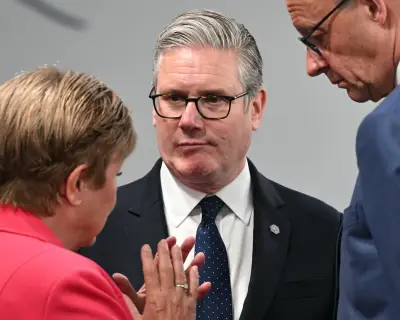
Starmer's Resignation: A Defining Moment
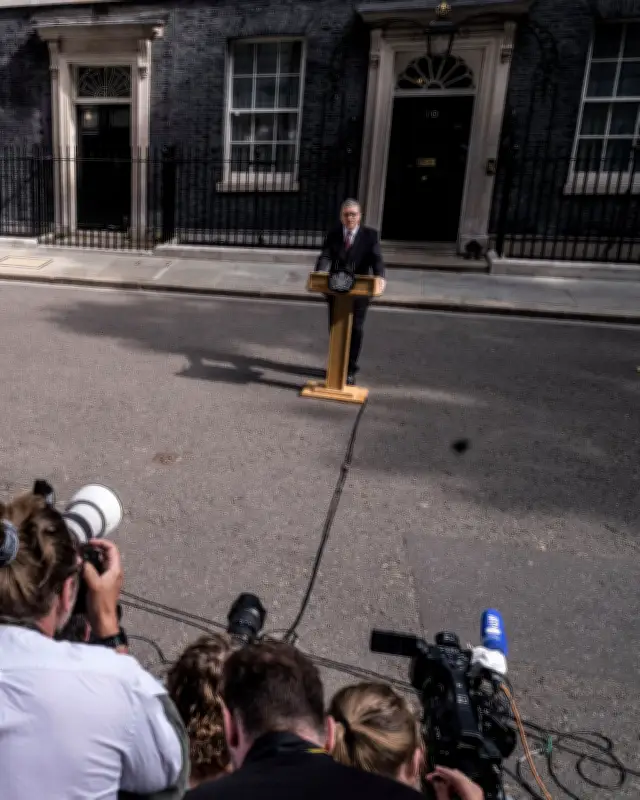
Keir Starmer's resignation as Labour leader on June 22, 2026, was a carefully orchestrated political event. The speech, delivered from a podium in Westminster, was designed to shape his legacy and the future of the party. According to political analysts, the address combined elements of a concession speech and a call to arms, reflecting the internal tensions that led to his departure.
The Opening: Acknowledging Defeat
Starmer began by acknowledging the Labour Party's disappointing performance in the recent general election, where they secured only 28% of the vote. He took responsibility for the loss, stating, "The results are clear, and I accept full accountability." This admission was seen as an attempt to preempt criticism and show humility.
Defense of His Record
Despite the electoral setback, Starmer defended his tenure, highlighting achievements such as restoring party discipline and improving polling numbers before the election. He noted that under his leadership, Labour had gained 10 points in the polls from 2024 to 2025. However, internal divisions over Brexit and economic policy ultimately undermined his position.

Call for Unity
A key theme of the speech was unity. Starmer urged the party to avoid further infighting, saying, "We must come together to rebuild and offer a credible alternative to the Conservatives." This message was directed at both the moderate and leftist wings of the party, which had been at odds throughout his leadership.
The Emotional Peroration
The speech concluded with an emotional appeal, referencing his working-class roots and commitment to public service. "I leave with my head held high, knowing I gave everything for the cause," he said. The delivery was measured, but a slight tremor in his voice betrayed the personal toll.
Reactions and Analysis
Reactions were mixed. Shadow cabinet members praised his dignity, while some backbenchers criticized the speech as too defensive. Political commentator Jane Smith described it as "a textbook resignation: part apology, part legacy-building." The speech is likely to be studied by future leaders as a model for exiting gracefully.
Impact on Labour's Future
Starmer's resignation opens a new chapter for Labour. The party now faces a leadership contest that will determine its ideological direction. Early frontrunners include Angela Rayner and Wes Streeting, representing the left and center of the party respectively. The outcome will shape Labour's strategy for the next election, expected in 2029 or earlier.