A senior police commissioner has publicly apologised to the Muslim community while simultaneously defending the tactics employed by officers during a violent protest in Sydney. The demonstration was sparked by the Prime Minister hosting Israel's President Isaac Herzog on an official visit to Australia.
Reports of Medic Assaults Emerge Amid Violent Rally
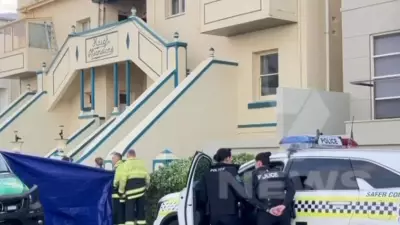
As the protest escalated near Sydney's Town Hall, disturbing reports have surfaced alleging that medical personnel were assaulted during the chaotic scenes. The incident has raised serious concerns about the safety of first responders and the intensity of the rally.
The police commissioner acknowledged the community's distress but stood firm on the operational decisions made by law enforcement on the ground. "We recognise the hurt felt by many, and for that, we offer our sincere apologies," the commissioner stated. "However, our officers acted appropriately to maintain public order and safety."

Defence of Police Actions at Sydney Protest
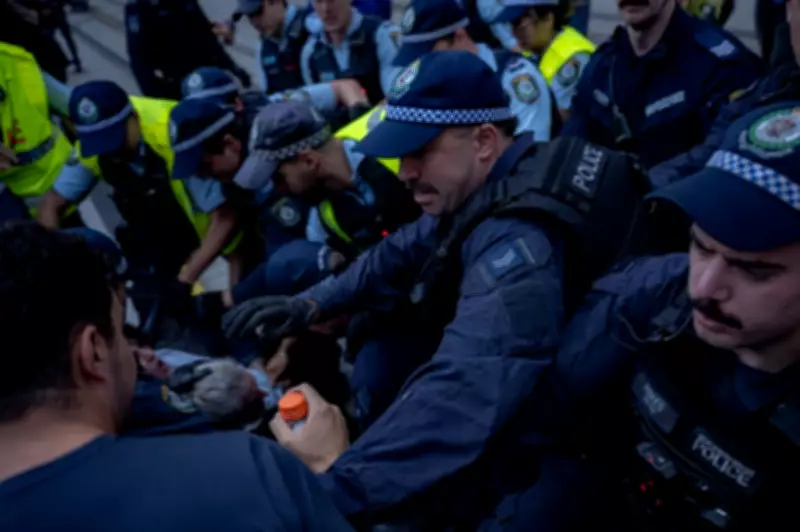
In a detailed statement, the commissioner outlined the challenges faced by police during the protest, which saw demonstrators detained and tensions run high. The defence of police tactics comes amid growing scrutiny over the handling of the event.
Key points from the commissioner's address include:
- A commitment to reviewing the incident thoroughly, including the allegations of medic assaults.
- An emphasis on the need for balanced policing in volatile situations.
- A call for community dialogue to prevent future escalations.
The protest, which drew significant crowds, was marked by clashes between demonstrators and police, with images circulating of officers detaining participants. The visit by Israeli President Herzog has proven to be a polarising issue, igniting strong reactions from various community groups across Australia.
Broader Implications for Community Relations
This incident highlights the delicate balance law enforcement must strike between upholding the right to protest and ensuring public safety. The apology to Muslims is seen as an effort to mend fences, but it also underscores the deep divisions surrounding international politics and local demonstrations.
Authorities are now investigating the assault claims on medics, with promises of transparency in the findings. As the community grapples with the fallout, the police commissioner's dual message of apology and defence sets a precedent for how such sensitive situations might be managed in the future.