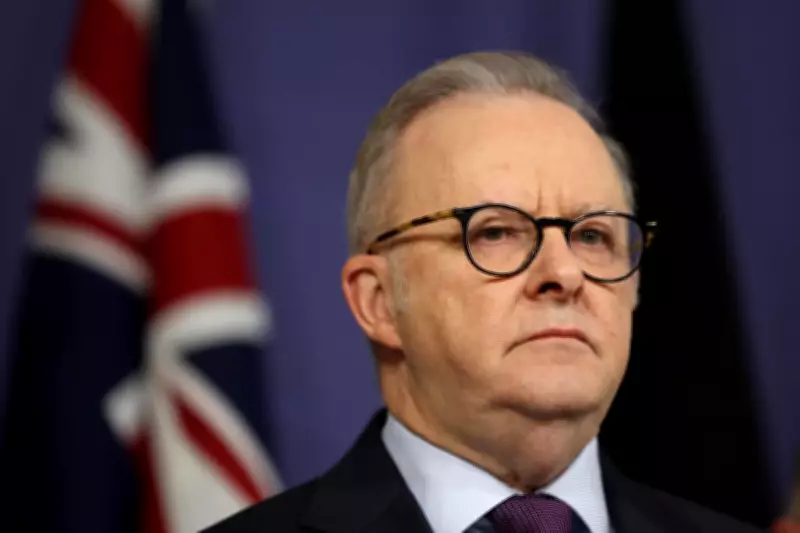
West Australians are imploring Prime Minister Anthony Albanese to stick to his word on the Goods and Services Tax (GST) distribution ahead of his scheduled visit to Perth. The call comes amid ongoing tensions over the carve-up of GST revenue, which has long been a contentious issue for the state.
GST promise under scrutiny
During the 2022 federal election campaign, Albanese pledged to maintain the current GST distribution model, which guarantees Western Australia at least 70 cents for every dollar of GST raised in the state. However, recent comments from federal Labor figures have raised concerns that this commitment may be reviewed, sparking anxiety among WA residents and politicians alike.
Community concerns
Many West Australians feel that any change to the GST deal would be a betrayal of the prime minister's promise. The state has long argued that it receives an unfair share of GST revenue, given its significant contribution to the national economy through mining and resources. Local businesses and households are worried that a reduced share could impact essential services and economic growth.

Premier Roger Cook has been vocal in defending the current arrangement, stating that any alteration would be detrimental to the state's interests. He has urged the prime minister to reaffirm his commitment during the upcoming visit.
Political implications
The GST issue is a key political battleground in Western Australia, which has historically been a stronghold for the Liberal Party but swung to Labor in recent elections. Analysts suggest that breaking the GST promise could cost Labor support in the state, which is crucial for the party's federal prospects.
Albanese's visit to Perth is expected to focus on infrastructure and jobs, but the GST debate is likely to dominate discussions. The prime minister has so far avoided making definitive statements on the issue, fueling speculation about a potential policy shift.
Economic impact
Western Australia's economy relies heavily on mining exports, and the state government argues that a fair GST share is essential for funding schools, hospitals, and infrastructure. Any reduction in GST revenue could force spending cuts or higher state taxes, which would be unpopular with voters.
Business groups have also weighed in, warning that uncertainty over GST distribution could deter investment. The Chamber of Commerce and Industry WA has called for a stable and predictable funding model to support long-term planning.
As the prime minister prepares to land in Perth, the pressure is mounting for him to deliver a clear and unequivocal message on the GST. For many West Australians, his response will be a test of his credibility and commitment to the state's interests.