Australian WWI Soldier's Family Demands Apology Over Gaza Graves Destruction
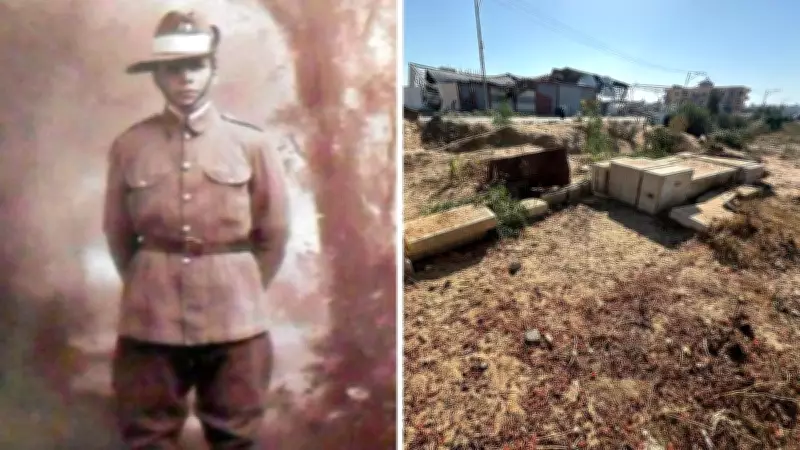
The family of an Australian World War I soldier has called for an apology from Israel following the destruction of nearly 150 digger graves in Gaza. Alfred Cork, who served with the 9th Australian Light Horse Regiment in Palestine, died in 1917 at the age of 22, and his final resting place is believed to be among those damaged.
His epitaph, which reads "Bravely he answered his country’s call. He gave his best, his life, his all," now marks a site that has been obliterated by Israeli military actions, according to his great niece Gwen Robins. She expressed profound sadness, stating that these young men who traveled far from home have been erased from history in this devastating event.
Evidence of Damage and Military Justification
New video and photographs captured by an Australian nurse in Gaza reveal the extensive damage to the Deir El Belah Cemetery. The Israeli Defence Force (IDF) has defended the destruction, claiming it was necessary to address "underground terrorist infrastructure" and that terrorists were using structures near the site for cover. This explanation has done little to assuage the grief of families and caretakers.

For over a century, the Jaradah family has meticulously cared for the Gaza War Cemetery. Essam Jaradah, who still resides in Gaza, described witnessing the graves' destruction as "the worst day of my life," feeling as if his soul had been torn away. Due to an IDF-enforced "yellow line" restriction, he is now prevented from visiting the site, adding to the emotional toll.
Government Response and International Pressure
Veterans Affairs Minister Matt Keogh has acknowledged that the destruction has caused significant anguish for relatives and the broader Australian community. The Australian, British, and Canadian governments are facing mounting pressure to address when the graves will be restored. However, Minister Keogh has indicated that restoration is currently impossible, citing ongoing challenges in the region.
This incident highlights the complex intersection of historical preservation and modern conflict, raising questions about the protection of cultural and military heritage sites during wartime. The call for an apology underscores the deep emotional connections that families maintain with their ancestors' legacies, even across generations.