Controversy Erupts Over Israeli President's Planned Visit to Australian War Memorial
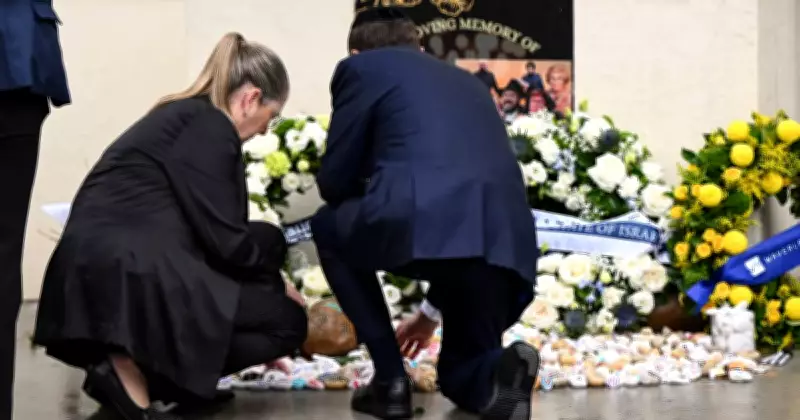
The planned visit of Israeli President Isaac Herzog to the Australian War Memorial has ignited a fierce debate among readers, with many questioning the appropriateness of welcoming a leader whose nation stands accused of damaging Australian war graves in Gaza. Sue Dyer's recent letter highlighted the issue, describing the invitation as "inappropriate" given the destruction of gravesites by Israeli forces. This sentiment is echoed by others who argue that the visit demeans the Memorial's solemn purpose, especially as Israel faces allegations of contributing to a high civilian death toll and worsening humanitarian conditions in Gaza.
Concerns Over Memorial's Integrity and Humanitarian Impact
Critics argue that Herzog's presence at a site dedicated to commemorating war losses is hypocritical, given Israel's military actions. Sue Wareham, President of the Medical Association for Prevention of War, points out that Israel has been accused of collective punishment in Gaza, forcing international NGOs like MSF and Oxfam to withdraw, which could exacerbate an already dire situation. The visit is seen as adding distress to Palestinian Australians with family in conflict zones, fueling divisiveness in the community.
Historical Context and Counterarguments
In contrast, some letters defend Israel's actions, blaming Hamas for constructing tunnels under cemeteries and using civilian infrastructure for military purposes, which they argue justifies the destruction as a necessary military target. J. van Dijk from Fadden states that Hamas bears responsibility for the damage due to its illegal tactics. Meanwhile, John Sandilands recalls the legacy of William Cooper, an Indigenous Australian who protested Nazi persecution of Jews, suggesting Herzog's visit could be an opportunity to honor this history and show solidarity with Indigenous Australians.

Broader Issues of Governance and Local Neglect
The debate extends beyond the visit to broader municipal failures in Canberra. Readers like John D. Purcell and Maria Greene criticize the city's planning and services, noting visible neglect in infrastructure and a lack of civic pride. They call for structural reforms and independent reviews to address these issues, arguing that the current governance model is failing residents. Suggestions for improving bus services and rejecting poor planning decisions are also highlighted, reflecting community frustration with local leadership.
Political and Social Implications
Other letters touch on related political themes, such as the inconsistency of ACT policies on net zero goals, concerns about conflating antisemitism with criticism of Israel, and calls for simpler political messaging from the Coalition. The discussion underscores deep divisions over international diplomacy, human rights, and domestic governance, with many readers urging more thoughtful consideration of Australia's role in global conflicts and its impact on local communities.