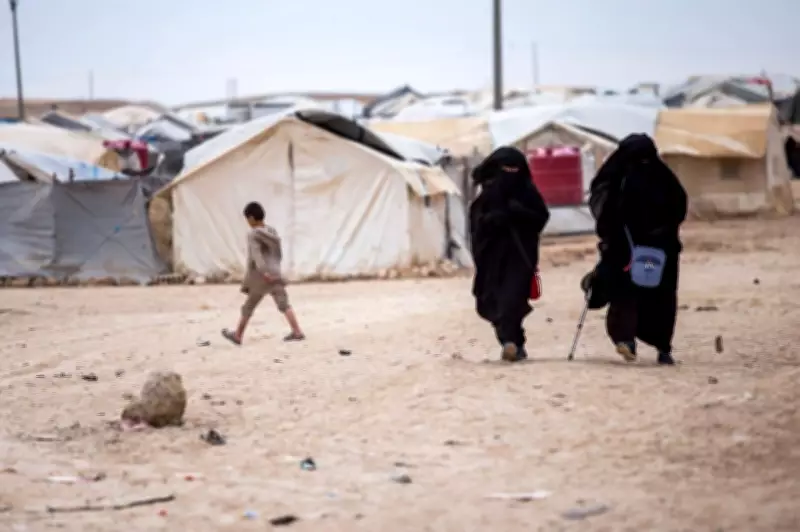
Australian Government Releases Families of ISIS Fighters from Detention
The Australian government has officially released a group of families associated with ISIS fighters from detention, a move that has ignited intense debate across the nation. This decision, announced earlier this week, involves individuals who were previously held under strict security measures due to their connections to the terrorist organization.
Details of the Release
The release includes women and children who were detained after returning from conflict zones in the Middle East, where they had ties to ISIS members. Authorities have confirmed that these individuals have undergone extensive security assessments and rehabilitation programs aimed at ensuring they pose no threat to public safety. The process involved close monitoring by intelligence agencies and collaboration with community groups to facilitate their reintegration into society.
According to government sources, the decision was based on legal advice and humanitarian considerations, emphasizing the need to balance national security with the rights of individuals, particularly minors who were caught in the crossfire of extremist activities. The families are now subject to ongoing supervision and support services to prevent any potential risks.

Public and Political Reactions
The release has sparked mixed reactions from various sectors. Supporters argue that it aligns with Australia's commitment to human rights and provides a second chance for those who may have been coerced or misled. They point to successful reintegration cases in other countries as evidence that such approaches can work when managed carefully.
However, critics, including some opposition politicians and security experts, have raised concerns about the potential dangers. They warn that releasing individuals with links to ISIS could undermine national security and set a precedent that might encourage further extremist activities. Calls for stricter oversight and transparency in the decision-making process have been voiced, with demands for more detailed information on the criteria used for release.
Broader Implications and Future Steps
This development comes amid ongoing global efforts to address the aftermath of ISIS's decline, with many nations grappling with how to handle returning fighters and their families. Australia's approach is seen as part of a broader strategy to manage complex security and humanitarian challenges, involving:
- Enhanced surveillance and monitoring of released individuals.
- Community-based programs to support deradicalization and social integration.
- International cooperation to share best practices and intelligence.
Looking ahead, the government has pledged to review the outcomes of this release and adjust policies as needed to ensure public safety. Experts suggest that this case could influence future policies on terrorism-related detentions, potentially leading to more nuanced frameworks that consider both security risks and ethical obligations.
In conclusion, the release of ISIS-linked families marks a significant moment in Australia's counter-terrorism efforts, highlighting the delicate balance between safeguarding the nation and upholding humanitarian values. As the situation evolves, continued scrutiny and adaptive strategies will be crucial in navigating these complex issues.