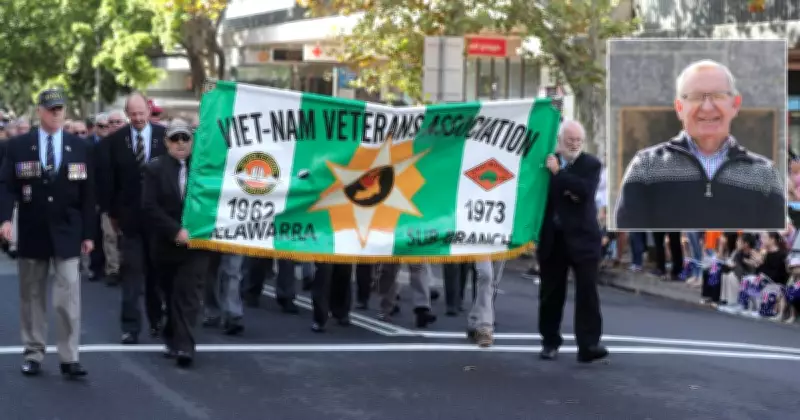
The Illawarra region is witnessing the gradual dissolution of several veteran groups as their memberships age and numbers decline. Organizations that once provided camaraderie, support, and advocacy for former service personnel are now struggling to maintain their activities, with some being forced to close their doors permanently.
Declining Membership and Ageing Veterans
Many of these groups were formed decades ago by veterans returning from conflicts such as World War II, Korea, and Vietnam. However, with the passage of time, the remaining members are now in their 70s, 80s, or even 90s. Younger veterans from more recent deployments in Iraq and Afghanistan have not joined in sufficient numbers to replace those lost to age or ill health. As a result, several sub-branches of the Returned and Services League (RSL) and other veteran organizations have either disbanded or merged with larger branches.
Impact on the Community
The disbandment of these groups leaves a void in the local community. They were not only places for veterans to socialize but also hubs for fundraising, commemorative events, and welfare support. For many elderly veterans, these groups provided a sense of purpose and connection. Without them, there are concerns about increased isolation and a loss of institutional knowledge regarding military history and traditions.

One veteran, who wished to remain anonymous, said: "It's heartbreaking to see our group go. We've been meeting for over 50 years, but now there are only a handful of us left. We just don't have the energy to keep it going."
Reasons for the Decline
Several factors have contributed to this trend. The natural ageing of the veteran population is a primary cause. Additionally, changing social patterns mean that younger veterans often have different expectations and may not feel the same need for formal membership in traditional organizations. The rise of online communities and social media has also provided alternative ways for veterans to connect. Furthermore, the COVID-19 pandemic accelerated the decline, as lockdowns and health concerns prevented in-person gatherings, leading to a loss of momentum.
Efforts to Reverse the Trend
Some groups have attempted to adapt by modernizing their approach. This includes offering more flexible membership options, hosting events that appeal to a broader demographic, and reaching out to younger veterans through digital platforms. However, these efforts have had limited success. The RSL at the state and national levels has acknowledged the issue and is exploring ways to support struggling branches, such as providing administrative assistance or facilitating mergers.
Local councils have also stepped in to help preserve the legacy of these groups. In some cases, they have offered to take over the maintenance of memorials and organize commemorative events. Community members have expressed a desire to keep the spirit of these organizations alive, even if the formal structures disappear.
A Look to the Future
While the disbandment of veteran groups is a sad development, it also reflects broader societal changes. The challenge now is to ensure that the contributions and sacrifices of veterans are not forgotten. New models of support may emerge, such as more informal networks, peer support groups, or partnerships with other community organizations. The Illawarra's veteran community may look different in the future, but its core mission of supporting those who served will likely endure in some form.