Parliamentary Inquiry into Racism Against First Nations Peoples Announced
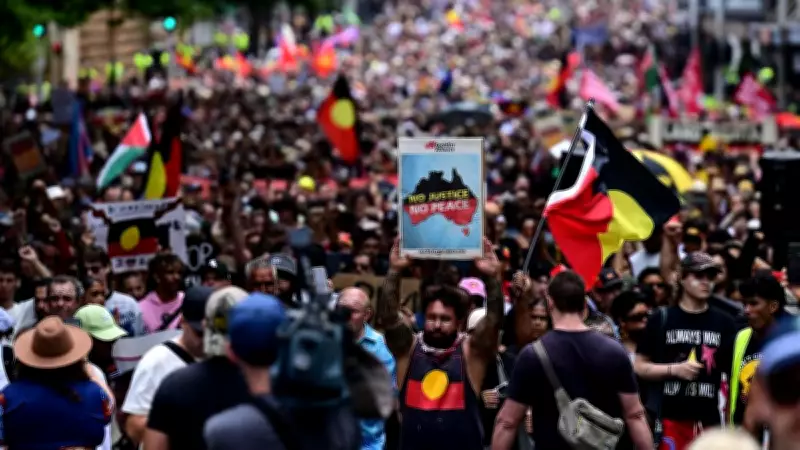
A parliamentary inquiry into racism against First Nations peoples has been officially announced, following a series of alleged racially motivated violent incidents over the past year. This decision comes in response to events such as a terror attempt at an Invasion Day rally in Western Australia earlier this year and a violent attack on Camp Sovereignty in Melbourne late last year.
Background and Motivation
The inquiry was initiated after previous unsuccessful efforts to expand the terms of reference for the Royal Commission on Antisemitism and Social Cohesion to include racism against First Nations peoples and Islamophobia. Minister for Indigenous Australians Malarndirri McCarthy formally requested a standalone inquiry by writing to the Joint Standing Committee on Aboriginal and Torres Strait Islander Affairs this week.
The committee has agreed to a Senate inquiry focusing on racism, hate, and violence directed at Aboriginal and Torres Strait Islander people, with a final report scheduled to be tabled on September 15. McCarthy emphasized the emotional toll on communities, stating, "First Nations people are feeling scared and angry in the wake of the alleged terrorist attack in Boorloo, Perth and last year’s attack on Camp Sovereignty. I know this has been a difficult time for families and communities."

Scope and Focus Areas
The inquiry will examine several critical areas, including systemic racism, the influence of online platforms, and threats from ideologically motivated extremism. It will also assess the role of intelligence and law enforcement agencies in protecting First Nations communities. Senator Jana Stewart, a Mutthi Mutthi and Wamba Wamba woman who chairs the committee, highlighted the inquiry's importance: "This inquiry is an important opportunity to understand the nature, prevalence and impact of racism in our communities and to identify practical actions for combatting racism and reducing individual and collective harm."
The terms of reference for the inquiry are comprehensive and include:
- The nature, prevalence, and impact of racism, hate, and violence towards First Nations peoples, including trends over time.
- The effect of online platforms on the reach, prominence, and harm caused by racism and hate directed at First Nations peoples.
- Initiatives that are effective in combating racism targeted at First Nations peoples and reducing individual and collective harm.
- The threat posed by ideologically motivated extremism towards First Nations peoples and the role of intelligence and law enforcement agencies in protecting the community from that threat.
- The effectiveness of avenues for reporting and responding to racism against Aboriginal and Torres Strait Islander people, including the consistency, timeliness, and appropriateness of outcomes across jurisdictions and institutions.
- Other matters related to racism, hatred, and violence directed at First Nations peoples.
Comparison with Other Inquiries
This inquiry follows separate alleged terror incidents that prompted different responses. The Royal Commission into Antisemitism and Social Cohesion was announced after a massacre at Bondi Beach targeting Jews, while the Senate inquiry was spurred by events like the alleged bomb attempt at an Invasion Day rally in Perth. WA Premier Roger Cook condemned the latter incident, warning it could have been a "mass casualty" event.
In February, a 20-year-old man was charged with allegedly planning a mass casualty event against Muslim people in WA, with weapons and a white-supremacy manifesto seized. The differing inquiry responses have drawn public scrutiny, with a government spokesperson stating, "The Government is committed to fostering social cohesion and the Royal Commission is an important step towards that effort."

Senate Inquiry vs. Royal Commission
A Royal Commission represents the highest level of inquiry, operating independently from parliament, while a Senate inquiry is conducted by a committee of senators and members of parliament. Both processes can recommend legislative changes but cannot directly make or alter laws. Royal Commissions typically last years and cost tens of millions of dollars, whereas Senate inquiries are shorter and less expensive, funded as part of parliamentary operations.
Despite these differences, both the Royal Commission on Antisemitism and the Senate inquiry into racism against First Nations peoples are set to conclude this year, within three months of each other. However, the effectiveness of such inquiries often hinges on the implementation of recommendations. For instance, since the Royal Commission into Aboriginal Deaths in Custody 34 years ago, there have been 625 Indigenous deaths in custody, with only about 64 percent of recommendations fully implemented by 2018.
The findings and recommendations from both inquiries are expected to be published before the end of the year, aiming to address and mitigate racism and violence against First Nations peoples in Australia.