More than 2500 applications have been lodged for Western Australia's Stolen Generations Redress Scheme in the two months since the program commenced, yet advocates continue to voice concerns that the compensation offered remains insufficient to address historical injustices.
Scheme Details and Application Surge
The State Government initiative, which was formally announced in May 2025, provides a one-off ex gratia payment of $85,000 to Aboriginal individuals who were forcibly removed from their families in Western Australia prior to July 1972. Eligible applicants also have the option to request a personal acknowledgement from the government.
Since applications opened on November 10, 2025, the scheme has experienced a significant influx, with the official webpage acknowledging a high volume of submissions. To date, 2524 applications have been received, and if all are approved, the total financial commitment would reach approximately $214 million.

Initial estimates suggested that around 3500 people across the state could qualify for the redress program. The Department responsible has confirmed that processing is underway as a priority, with the first payments already distributed in December 2025.
Advocate Concerns Over Compensation Adequacy
Despite the uptake, representatives for Stolen Generations survivors emphasise that the monetary compensation, while welcomed, does not adequately counterbalance more than a century of detrimental policies and ongoing disadvantage.
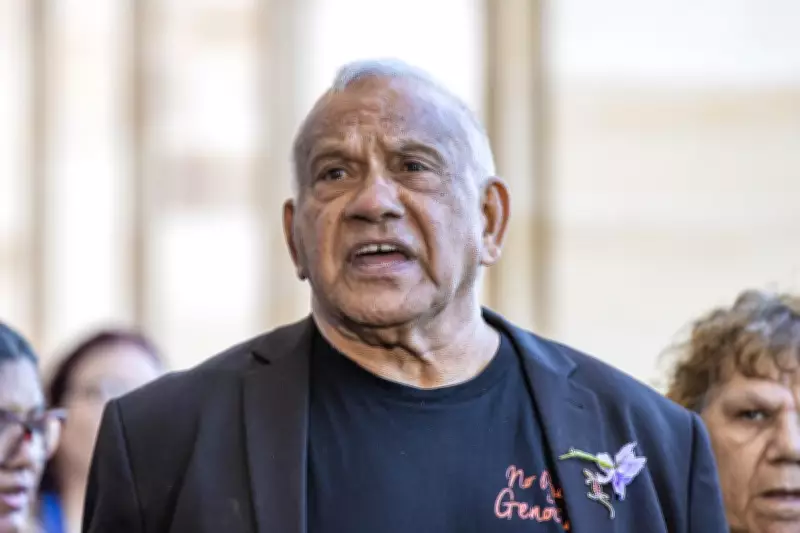
Yokai chairperson Dr Jim Morrison articulated a complex perspective, noting that while any form of redress is accepted by communities grappling with poverty, the specific amount falls short of delivering substantial relief.
"We can't deny that compensation should be paid," Dr Morrison stated. "Our people were treated so severely that any acknowledgement, any financial sum, will be taken up because of the profound poverty in our communities. However, what will $85,000 actually do to alleviate that poverty? I don't believe it will achieve a great deal."
He further highlighted the compounded challenges faced by Stolen Generations members, who often experience worse outcomes in housing, healthcare, and incarceration rates compared to other Aboriginal Australians. For elderly survivors supporting extended families, the payment is seen as minimal in the context of these systemic service gaps.
Government Response and Collaborative Development
A spokesperson for the Cook Government defended the scheme, explaining that it was designed in close consultation with survivors and advocacy groups to acknowledge the profound trauma inflicted by past removal policies.
"The Stolen Generations Redress Scheme was introduced to provide meaningful recognition of the experiences of those who were taken from their families," the spokesperson said. "It represents a significant step towards acknowledging the harm caused, developed collaboratively with those affected."
The spokesperson added that applications are being handled diligently, with over 2200 received from Western Australia and other states and territories. The final number of eligible survivors and the total scheme cost will be determined once all applications are assessed.
As the processing continues, the dialogue between the government and community advocates underscores the ongoing struggle to balance symbolic redress with the tangible needs of those still suffering from historical injustices.