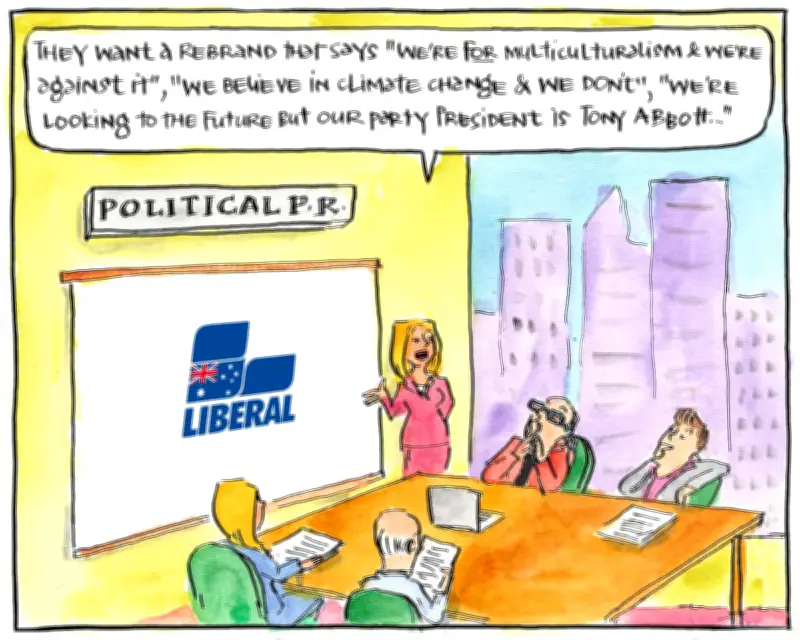
Leaked internal memos have exposed the Liberal Party's comprehensive rebranding strategy aimed at revitalizing its public image and attracting a broader demographic, particularly younger voters, ahead of the upcoming federal election. The documents, obtained by The Oz Post, detail a multi-pronged approach including a refreshed visual identity, revised messaging on key policies, and targeted social media campaigns.
Key Elements of the Rebrand
The memos outline plans to overhaul the party's logo and color scheme, moving towards a more contemporary design intended to signal modernity and inclusivity. Additionally, the party is set to reframe its stance on climate change and housing affordability, two issues that have historically alienated younger constituents. According to a party strategist quoted in the documents, 'We need to show that we are not the party of the past, but the party of the future.'
The rebranding effort comes in response to declining support among voters under 40, with internal polling showing a 15% drop in approval ratings among this demographic over the past two years. The party aims to reverse this trend by emphasizing its commitment to renewable energy investments and first-home buyer schemes.

Social Media and Grassroots Engagement
A significant portion of the strategy focuses on digital outreach, including partnerships with popular influencers and a revamped presence on platforms like TikTok and Instagram. The memos suggest allocating $2 million to a social media campaign targeting key marginal seats. 'We must meet voters where they are,' the strategist added, 'and that means engaging in authentic conversations online.'
Grassroots events, such as community forums and policy workshops, are also planned to rebuild trust at the local level. The party intends to train candidates in modern communication techniques to better connect with constituents.
Internal Reactions and Challenges
The leaked documents have sparked debate within the party, with some traditionalists expressing concern that the rebrand may alienate the core base. However, leadership appears unified in pushing forward. 'We cannot afford to be complacent,' a senior party official stated. 'This is about survival and relevance in a changing Australia.'
Political analysts note that the success of the rebrand will depend on the party's ability to deliver on policy promises, not just change its image. 'Voters are savvy,' said Dr. Emily Chen, a political scientist at the University of Sydney. 'A fresh coat of paint won't matter if the substance doesn't follow.'
Timeline and Next Steps
The rebranding is scheduled to roll out in phases, beginning with a soft launch of the new logo and website next month, followed by a full campaign launch in early 2026. The party will also conduct focus groups and polling to gauge public response before finalizing the changes.
As the Liberal Party navigates this transformation, all eyes will be on its ability to bridge the gap between tradition and innovation. The leaked memos provide a rare glimpse into the internal mechanics of political rebranding, highlighting the challenges and opportunities facing major parties in an era of rapid change.