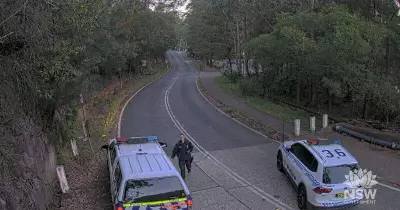
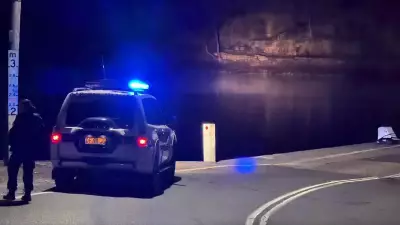
In a surprising revelation, Canberra's water police have been shown to do far more than just patrol the city's iconic lakes. Their duties have expanded to include handling critical evidence from high-profile events, such as the Thai cave rescue and the Canberra Hospital implosion, highlighting their vital role in investigative operations.
Expanding Roles Beyond Traditional Patrols
Traditionally, water police in Canberra have been associated with monitoring Lake Burley Griffin and other local waterways for safety and enforcement. However, recent evidence has emerged that their responsibilities extend much further, involving complex evidence collection and management tasks.
Thai Cave Rescue Evidence
One of the most notable cases involves evidence related to the Thai cave rescue. In 2018, a youth soccer team was trapped in a flooded cave in Thailand, leading to an international rescue effort. Canberra water police played a part in this by handling evidence connected to the incident, though specific details of their involvement remain under wraps. This demonstrates their capability to support global events and cross-border investigations.

Canberra Hospital Implosion Evidence
Similarly, the water police were involved in evidence handling following the implosion of the old Canberra Hospital building. This controlled demolition, which took place to make way for new developments, required meticulous evidence collection to ensure safety and compliance with regulations. The water police's role in this process underscores their importance in local infrastructure and disaster management scenarios.
Implications for Public Safety and Investigations
The expanded duties of Canberra's water police have significant implications for public safety and investigative efficiency. By taking on evidence handling from diverse events, they contribute to faster and more thorough investigations, whether for international incidents or local emergencies.
Key Benefits:- Enhanced Investigative Support: Their involvement in evidence collection helps streamline police work and improve outcomes.
- Versatility in Operations: This shows their ability to adapt to various situations, from natural disasters to man-made events.
- Community Trust: By handling sensitive evidence, they build public confidence in law enforcement's capabilities.
Overall, this news sheds light on the often-overlooked contributions of water police in Canberra, proving they are more than just patrol officers on the lake.